

Why Is CO2 Fractional Laser Still the Gold Standard for Skin Resurfacing?
2025-12-18
When clinics ask me which technology consistently delivers visible results while maintaining clinical credibility, I almost always return to one answer. CO2 Fractional Laser systems continue to stand out because they balance precision, effectiveness, and long-term patient satisfaction. In my experience working with advanced aesthetic devices, I have seen how ELOS integrates this technology into reliable systems that meet both practitioner expectations and patient demands without overcomplicating treatment workflows.
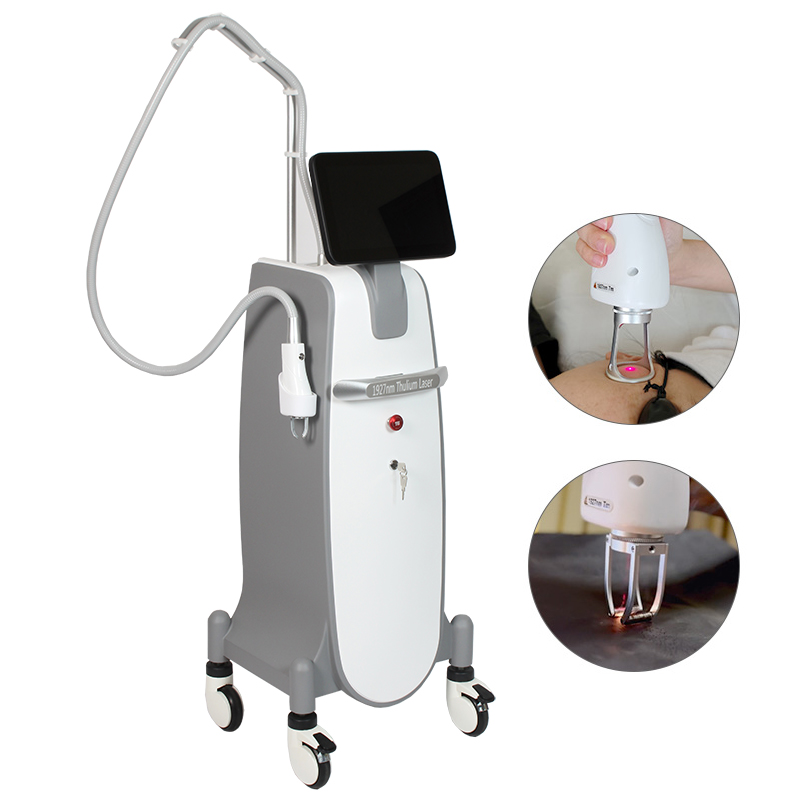
What Skin Problems Does CO2 Fractional Laser Actually Solve?
Patients rarely come in asking for a specific laser. They come in frustrated by scars, wrinkles, enlarged pores, or uneven skin texture. What makes CO2 Fractional Laser technology valuable is its ability to target multiple concerns within a single treatment plan.
- Deep acne and surgical scars that resist topical treatments
- Fine lines and moderate wrinkles caused by aging
- Uneven skin tone and rough texture
- Enlarged pores and sun-damaged skin
- Overall loss of firmness and elasticity
By creating controlled microthermal zones, the CO2 Fractional Laser stimulates collagen remodeling while preserving surrounding tissue, which is critical for predictable healing.
Why Do Clinics Still Choose CO2 Fractional Laser Over Newer Technologies?
I often hear clinic owners worry that older technologies might feel outdated. In practice, CO2 Fractional Laser systems remain in demand because results speak louder than trends. Many newer devices promise minimal downtime, but fail to deliver the same depth of correction.
| Clinic Concern | How CO2 Fractional Laser Responds |
|---|---|
| Inconsistent treatment results | Stable energy delivery ensures uniform skin resurfacing |
| Limited treatment versatility | Adjustable parameters for scars, wrinkles, and texture |
| Patient satisfaction | Visible improvement after fewer sessions |
| Return on investment | High-demand treatments with long service life |
This reliability is one reason why CO2 Fractional Laser platforms remain a core investment rather than a short-lived upgrade.
How Does CO2 Fractional Laser Improve Treatment Control for Practitioners?
From a practitioner’s perspective, control is everything. The ability to fine-tune energy density, pulse duration, and scanning patterns allows treatments to be tailored to individual skin conditions. I find that systems designed with intuitive interfaces reduce operator fatigue and training time.
- Precise depth control for safer resurfacing
- Customizable treatment patterns for different areas
- Stable output for consistent clinical outcomes
- Reduced risk of overtreatment when protocols are followed
This level of control makes CO2 Fractional Laser technology suitable for both experienced dermatologists and growing aesthetic practices.
Is Downtime Still a Major Concern With CO2 Fractional Laser Treatments?
Downtime is one of the most common patient objections I encounter. While CO2 Fractional Laser treatments do require recovery time, modern fractional designs significantly reduce healing periods compared to traditional ablative lasers.
By treating only a fraction of the skin surface, surrounding tissue accelerates recovery. When practitioners set realistic expectations and follow proper post-treatment care, patients often accept downtime in exchange for noticeable, long-lasting results.
What Makes CO2 Fractional Laser a Smart Long-Term Investment?
From a business standpoint, I evaluate equipment based on longevity, demand stability, and adaptability. CO2 Fractional Laser devices consistently perform well across all three areas.
- High patient awareness and trust in the technology
- Broad treatment indications across age groups
- Durable systems with lower upgrade pressure
- Strong positioning in premium aesthetic services
Clinics that integrate CO2 Fractional Laser treatments often find it easier to build structured treatment packages and repeat visits.
How Can Clinics Get Started With the Right CO2 Fractional Laser Solution?
Choosing the right system goes beyond specifications. I always recommend evaluating safety features, service support, and how well the device fits into daily clinical routines. A well-designed CO2 Fractional Laser platform should enhance confidence, not complicate procedures.
If you are exploring advanced resurfacing solutions or planning to upgrade your aesthetic offerings, now is the time to take the next step.
Contact us today to discuss your clinic’s needs, request technical details, or receive a tailored recommendation. Our team is ready to help you find a CO2 Fractional Laser solution that supports both clinical results and business growth.