

Why Choose a Postoperative Protective Waterproof Skin-Colored Scar Patch for Better Scar Care?
2026-10-27
After surgery, protecting the incision area is an important part of the recovery process. Patients often look for a practical solution that helps protect healing skin, supports daily comfort, and fits naturally into their routines. A Postoperative Protective Waterproof Skin-Colored Scar Patch is designed to provide a protective covering while offering a discreet appearance. Its skin-colored design can make it less noticeable than traditional dressings, while its waterproof properties may help protect the covered area from incidental water exposure.
For healthcare providers, medical product distributors, and professional buyers, choosing an appropriate postoperative patch involves more than appearance. Material quality, skin compatibility, adhesion, flexibility, and intended use all deserve careful consideration. Understanding these factors helps buyers identify suitable products for different wound-care and scar-management needs.
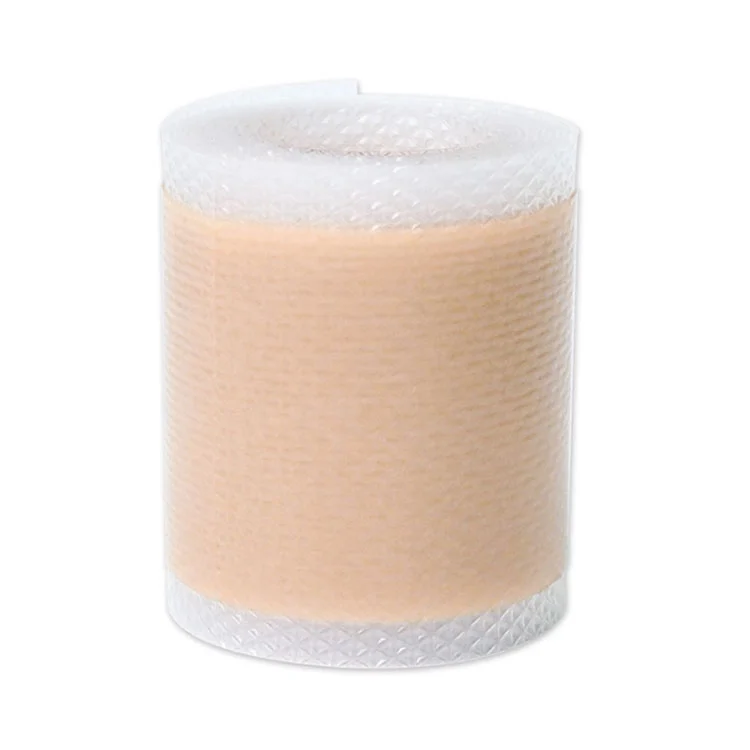
1. What Makes a Postoperative Protective Waterproof Skin-Colored Scar Patch Different?
A postoperative patch combines practical protection with a discreet design. Depending on its material and construction, it may help cover a healing area, reduce direct contact with external contaminants, and provide a convenient option for everyday wear.
Key Features and Their Benefits
-
Waterproof protection: A suitable waterproof barrier can help reduce water exposure during routine activities. Actual protection depends on the product's construction, adhesion, and usage instructions.
-
Skin-colored appearance: A natural-looking shade helps the patch blend with surrounding skin, making it less conspicuous under everyday clothing.
-
Comfortable coverage: Flexible materials may accommodate normal body movement and help the patch remain comfortable when applied correctly.
-
Convenient application: An easy-to-apply design can simplify dressing changes and routine skin care.
-
Practical scar-care support: Certain patches are designed specifically for scar management, while others primarily protect the incision area. Their intended purpose should be verified before use.
Not every postoperative patch provides the same functions. Buyers should review product specifications carefully to distinguish protective dressings from products intended to improve the appearance of established scars.
2. Why Is Postoperative Skin Protection Important?
Surgical recovery involves changes in the skin as the incision gradually heals. During this period, appropriate protection can help reduce unnecessary friction and contact with external irritants. However, the correct approach depends on the type of surgery, wound condition, and instructions provided by the healthcare professional.
Supporting a More Comfortable Recovery
A well-designed protective patch can serve several practical purposes:
-
Reduce friction: Covering a sensitive area may help minimize rubbing against clothing or other surfaces.
-
Provide a protective barrier: When properly applied, an appropriate dressing can help shield the covered area from everyday environmental exposure.
-
Support daily activities: Flexible, discreet designs may be more convenient for patients who want protection without a bulky appearance.
-
Simplify wound-care routines: Products with clear application and removal instructions can make routine care easier to manage.
A protective patch does not replace proper wound cleaning, medical follow-up, or professional advice. Patients should not apply an ordinary scar patch over an open, infected, or incompletely healed incision unless specifically directed by a healthcare professional.
3. How Does Waterproof Protection Benefit Everyday Use?
Water resistance is an important consideration for patients who want to maintain normal daily routines during recovery. Nevertheless, waterproof performance varies between products, and a waterproof label should not automatically be interpreted as permission to swim, bathe for extended periods, or expose a surgical wound to prolonged moisture.
Practical Advantages of a Waterproof Design
| Feature | Potential Benefit | What Buyers Should Check |
|---|---|---|
| Waterproof barrier | Helps limit incidental water exposure | Verified waterproof performance |
| Skin-colored finish | Provides a discreet appearance | Color options and material transparency |
| Flexible construction | Supports comfortable movement | Stretch, fit, and durability |
| Skin-contact adhesive | Helps secure the patch | Adhesion strength and skin compatibility |
| Protective coverage | Helps reduce friction and external contact | Intended use and wound-care instructions |
For B2B buyers, these specifications are useful when comparing products for pharmacies, medical supply distributors, healthcare providers, and other professional channels. Product claims should be supported by appropriate testing and documentation.
4. Which Is Better: A Traditional Dressing or a Skin-Colored Scar Patch?
The right choice depends on whether the primary objective is wound protection or scar management. These products may serve different purposes and should not be treated as interchangeable.
Understanding the Differences
Traditional postoperative dressing
A conventional dressing is generally selected to cover and protect a surgical wound. Depending on its design, it may absorb drainage, provide a sterile barrier, or help manage the immediate wound-care process.
Postoperative protective skin-colored patch
A skin-colored protective patch emphasizes discreet coverage and may offer water resistance or flexibility, depending on its construction. Some products are intended for use on healed scars rather than fresh incisions.
Silicone scar sheet or patch
Silicone products are commonly used for scar management after the wound has closed. They may help improve the appearance of certain raised scars over time, although individual results vary and treatment should follow professional guidance.
Before choosing a product, confirm its intended use, material composition, wear duration, and compatibility with the patient's stage of healing.
5. How Should Patients Use a Postoperative Patch Safely?
Correct application is essential for comfort and appropriate protection. Always follow the manufacturer's instructions and the healthcare professional's recommendations.
A general checklist includes:
-
Confirm that the product is suitable for the intended wound or scar-care stage.
-
Clean and dry the surrounding skin as instructed.
-
Avoid stretching the patch excessively during application.
-
Check the covered area regularly for moisture accumulation, irritation, or changes in the skin.
-
Replace or remove the patch according to the product instructions.
-
Stop using it and seek medical advice if significant redness, swelling, increasing pain, unusual discharge, or other signs of infection develop.
Patients should also check whether they have sensitivities to adhesives or other product materials. If the patch becomes loose, wet underneath, or uncomfortable, follow the product's care instructions rather than assuming that the waterproof barrier remains effective.
6. What Should B2B Buyers Look for When Selecting a Supplier?
For distributors, importers, healthcare product wholesalers, and private-label brands, supplier selection is an important part of product development and procurement.
When evaluating a Postoperative Protective Waterproof Skin-Colored Scar Patch, consider the following factors:
-
Material quality: Request information about the substrate, adhesive, skin-contact materials, and relevant safety evaluations.
-
Product performance: Review available evidence for adhesion, water resistance, flexibility, and intended wear duration.
-
Manufacturing consistency: Assess quality-control procedures, batch traceability, and production capabilities.
-
Regulatory documentation: Verify the product's applicable classification, registrations, certifications, and market-specific compliance requirements.
-
Packaging and customization: Check available sizes, packaging formats, labeling options, and private-label services where offered.
-
Supply reliability: Discuss minimum order quantities, lead times, sampling procedures, and long-term production arrangements.
These considerations help buyers make informed sourcing decisions and establish a clearer basis for supplier comparisons.
7. Why Consider Taizhou Cmall Biotechnology Co., Ltd. (CMallBio)?
For businesses exploring postoperative protective products and related medical-care supplies, Taizhou Cmall Biotechnology Co., Ltd. (CMallBio) is a company to contact for product-specific information and sourcing discussions.
When evaluating a potential supply partnership, professional buyers can request detailed specifications for the Postoperative Protective Waterproof Skin-Colored Scar Patch, including its intended application, available dimensions, material composition, waterproof performance, packaging options, and applicable compliance documentation.
Before placing a bulk order, buyers should confirm sample availability, quality requirements, customization possibilities, production lead times, and the documentation needed for their target market. These details help ensure that the selected product aligns with the intended application and procurement standards.
Conclusion
A Postoperative Protective Waterproof Skin-Colored Scar Patch can offer a practical combination of discreet coverage, potential water resistance, and everyday convenience when its design matches the intended use. Selecting the right product requires careful attention to wound-healing status, material compatibility, protective performance, and manufacturer instructions.
For distributors and professional buyers, evaluating product specifications and supplier capabilities is equally important. By clarifying technical requirements and verifying relevant documentation before ordering, businesses can make more confident purchasing decisions.
Looking for a suitable postoperative protective patch for your product portfolio? Contact Taizhou Cmall Biotechnology Co., Ltd. (CMallBio) to discuss product specifications, sourcing requirements, and potential cooperation opportunities.