
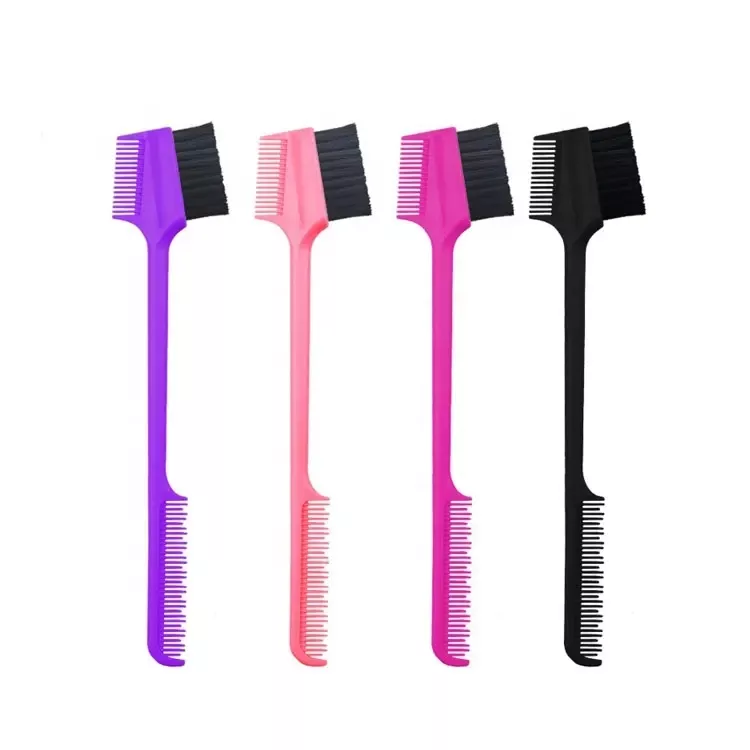
When I look at everyday hair care products from a buyer’s point of view, I do not see a simple grooming tool. I see a product that affects comfort, hair condition, styling efficiency, shelf appeal, and repeat purchase. That is why I pay close attention to suppliers such as Ningbo Purly Imp. & Exp. Co., Ltd., a company gradually building a wider beauty and personal care product line for global customers. For retailers, salons, private label brands, and promotional product buyers, choosing the right Hair Brush can solve real customer complaints such as pulling, frizz, static, scalp discomfort, weak bristles, and poor durability.
A good brush is not only about looking neat on a store shelf. It needs to glide through hair smoothly, help reduce tangles, feel comfortable on the scalp, and stay reliable after repeated use. I often see buyers focus only on price at the beginning, but the better question is whether the brush can create a better daily experience for the end user. When a customer enjoys using a brush every morning, that product becomes easier to sell again.
What Makes A Hair Brush Worth Adding To A Product Line?
I usually judge a Hair Brush by how well it balances comfort, function, appearance, and commercial flexibility. A brush may look attractive in product photos, but if it scratches the scalp or breaks hair during detangling, customers will not come back for a second purchase. That is why buyers should look beyond the outer shape and consider the full user experience.
For daily use, customers want a brush that can handle different hair conditions without creating extra damage. Wet hair is more fragile, thick hair needs stronger structure, curly hair needs smoother detangling, and fine hair needs gentle contact. A strong product line should offer options for these needs rather than relying on one basic model.
- I look for rounded teeth or soft tips because they help reduce scalp irritation.
- I check whether the bristles have enough flexibility to move through tangles instead of pulling sharply.
- I prefer handles that feel stable, especially for daily household use and salon styling.
- I consider whether the design can support logo printing, color matching, packaging, and private label development.
- I pay attention to whether the brush can fit multiple sales channels such as beauty stores, supermarkets, salons, gift sets, and online shops.
Which Hair Brush Features Matter Most To End Users?
The most common end-user complaints are not complicated. People dislike brushes that tug, create static, feel harsh, or lose teeth quickly. A practical Hair Brush should help customers brush their hair with less effort while keeping the scalp comfortable. That sounds simple, but it depends on several design details working together.
| Feature | Why I Consider It Important | Buyer Value |
|---|---|---|
| Flexible bristles | They move through tangles more gently and help reduce pulling. | Better reviews and fewer complaints about breakage. |
| Rounded brush tips | They feel softer on the scalp during daily brushing. | Suitable for family use and personal care retail lines. |
| Comfortable handle | A stable grip makes styling easier, especially with long or thick hair. | Improves perceived quality and daily usability. |
| Smooth surface finish | A refined finish helps prevent snagging and gives the product a cleaner look. | Supports better shelf presentation and private label positioning. |
| Material variety | Wooden, bamboo, plastic, and biodegradable styles can serve different markets. | Helps buyers build wider product ranges for different customer groups. |
From my perspective, this is where product advantage becomes practical. The brush does not need exaggerated claims. It needs to feel good in the hand, move through hair comfortably, and match the expectations of the target market. A product that quietly performs well often sells better than one that relies only on fashionable wording.
Is A Wooden Or Bamboo Hair Brush Better For Natural Product Lines?
For buyers building a natural personal care section, wooden and bamboo brush styles can be especially attractive. Many customers now prefer products that feel warm, simple, and less disposable. A wooden or bamboo Hair Brush can fit well with bath accessories, skincare tools, eco-oriented gift sets, and boutique beauty collections.
I would choose these styles when the sales channel values natural texture, calm packaging, and a softer lifestyle image. The tactile feel of wood or bamboo can make the brush seem more thoughtful than a standard low-cost plastic item. It also allows brands to develop packaging around daily self-care rather than only basic grooming.
- Wooden brushes often suit premium personal care sets and boutique retail displays.
- Bamboo brushes can support eco-conscious product stories without feeling overly complicated.
- Natural textures help create a warmer visual effect for online product images.
- Simple logo placement can make the product suitable for private label or gift programs.
I would not say one material is always better than another. The right choice depends on the buyer’s market. A salon brand may care more about performance and grip, while a lifestyle retailer may care more about visual harmony and packaging. The best supplier should be able to support different product directions rather than forcing every buyer into one fixed style.
Do Plastic And Biodegradable Hair Brush Options Still Have Strong Market Demand?
Yes, and I would not ignore them. Plastic brush styles remain popular because they are lightweight, easy to shape, suitable for colorful designs, and often practical for mass retail. A plastic Hair Brush can be a good choice for supermarkets, online stores, travel kits, beauty bundles, and promotional campaigns.
Biodegradable brush options are also becoming more relevant as buyers look for products with a more responsible image. For brands that want to refresh their catalog, biodegradable materials can create a useful talking point, especially when paired with simple packaging and a clear product message.
| Brush Type | Best Fit | What I Would Check Before Ordering |
|---|---|---|
| Plastic hair brush | Mass retail, travel sets, colorful beauty collections | Handle strength, bristle flexibility, color consistency, surface finish |
| Wooden hair brush | Natural care lines, gift sets, boutique stores | Polishing quality, tooth smoothness, grip comfort, packaging style |
| Bamboo hair brush | Eco-style personal care products and lifestyle brands | Material finish, logo effect, moisture resistance, overall durability |
| Biodegradable hair brush | Sustainable product ranges and modern beauty brands | Material stability, production consistency, branding space, market positioning |
| Hair brush set | Gift boxes, salon kits, online bundle sales | Product matching, packaging layout, retail price structure, user scenarios |
What Should I Check Before Choosing A Hair Brush Supplier?
A supplier should do more than provide a product list. I want to see whether the supplier understands customization, proofing, packaging, product matching, and export expectations. For buyers who manage private label projects, these details can decide whether the project runs smoothly or becomes a long chain of revisions.
When evaluating a supplier for a Hair Brush order, I focus on practical questions. Can the supplier support different models? Can they adjust logo and packaging? Can they provide samples based on a design direction? Can they keep product quality stable when the order quantity grows? These are the details that matter after the first conversation.
- I ask whether the supplier can support OEM or ODM customization.
- I check if logo printing, color selection, and packaging design can be adjusted.
- I review whether the product range includes wooden, bamboo, plastic, biodegradable, and set options.
- I confirm whether samples can be prepared clearly before bulk production.
- I look for production experience because beauty tools need consistent finishing and stable quality.
- I consider communication speed because small delays can affect launch schedules.
This is one reason I believe a flexible product range is important. Buyers may begin with one brush model, but later they may need a matching set, a seasonal color, a promotional package, or a higher-end version. A supplier with broader experience can make those changes easier.
How Can A Hair Brush Help Retailers Solve Customer Pain Points?
Retailers do not simply sell a brush. They sell an easier morning routine, less frustration after showering, smoother styling before work, and a better feeling when customers care for their hair. A well-designed Hair Brush helps turn a small daily habit into a product customers trust.
I often divide the pain points into three groups. The first is comfort. Customers want a brush that does not scratch or pull. The second is hair appearance. They want less frizz, fewer tangles, and a smoother finish. The third is product value. They want something that lasts and feels worth the purchase.
| Customer Pain Point | Product Response | Retail Benefit |
|---|---|---|
| Hair breaks during brushing | Flexible teeth and smoother contact help reduce harsh pulling. | Customers feel the product is gentler and more reliable. |
| Scalp feels uncomfortable | Rounded tips create a softer brushing experience. | Suitable for daily-use positioning and family care products. |
| Brush looks too basic | Material, shape, color, and packaging can be customized. | Improves shelf appeal and supports private label branding. |
| Product range feels limited | Different brush types can be combined into sets or collections. | Helps retailers increase average order value. |
| Customers want more eco-style options | Bamboo and biodegradable choices can match modern buying preferences. | Supports new product launches and lifestyle branding. |
Which Hair Brush Is Better For Private Label Beauty Brands?
For private label buyers, the best choice is usually not one single model. I would build a small, clear product structure. One brush can serve everyday detangling. One can focus on a natural wood or bamboo look. One can be placed into a travel or gift set. This kind of product planning makes the line easier to understand and easier to sell.
A private label Hair Brush should leave room for brand identity. The logo should look clean, the color should match the brand tone, and the packaging should explain the benefit without overloading the customer. Simple product language often works better than heavy claims.
- For a salon-style brand, I would choose practical brush shapes with strong grip and reliable bristles.
- For a natural beauty brand, I would consider bamboo or wooden styles with soft packaging colors.
- For an online store, I would prepare brush sets because bundles are easier to promote.
- For a gift product, I would focus on packaging, texture, and a balanced price point.
- For a youth-focused beauty line, I would test brighter colors and lightweight plastic designs.
The strongest private label products are easy to understand at first glance. Customers should know who the brush is for, why it feels different, and how it fits into their daily routine. That clarity helps both online conversion and offline shelf sales.
Do Hair Brush Sets Create Better Sales Opportunities?
In many cases, yes. A single brush is useful, but a set can tell a fuller product story. A brush set can include different sizes, different functions, or matching tools for home, travel, salon, and gift use. For retailers, this can make the product feel more complete and increase the perceived value.
I especially like brush sets for e-commerce because they photograph well and give customers a stronger reason to buy. A set can also help brands test multiple brush types in one launch. If one model performs especially well, the buyer can reorder it separately later.
| Sales Channel | Recommended Product Direction | Why It Works |
|---|---|---|
| Online beauty store | Hair brush set with coordinated colors | Easy to photograph, bundle, and promote. |
| Salon supply | Durable brush with comfortable grip | Supports repeated use and professional styling needs. |
| Supermarket retail | Affordable daily-use brush | Matches frequent household purchasing habits. |
| Eco lifestyle shop | Bamboo or biodegradable brush | Fits natural care and sustainable product displays. |
| Gift and promotion market | Custom logo brush with packaging | Works well for brand campaigns and seasonal products. |
What Makes A Hair Brush Easier To Sell In Global Markets?
A product becomes easier to sell when it is simple to explain, reliable to use, and flexible enough for different markets. I would not depend on one market trend alone. Instead, I would choose a supplier that can support several directions, including practical daily-use brushes, natural material brushes, biodegradable styles, and customized brush sets.
For global buyers, consistency is just as important as design. A nice sample is not enough if the bulk order looks different. The brush surface, teeth spacing, color, logo effect, packaging, and carton details all need to be checked carefully. This is where experienced production and clear communication become valuable.
- The product should be comfortable enough for daily use.
- The design should match the target market’s price level and style preference.
- The packaging should be clear, clean, and suitable for the sales channel.
- The supplier should be able to discuss customization details before production.
- The product range should allow buyers to expand from one model into a full collection.
I believe the right Hair Brush is not chosen only by appearance. It is chosen by how well it solves daily problems, supports brand positioning, and stays dependable after repeated use. For buyers who want to build a stable beauty tool category, this kind of product planning is worth taking seriously.
Why Should Buyers Start With A Clear Hair Brush Sourcing Plan?
Before placing an order, I would always define the target customer first. Is the brush for salon professionals, home users, eco-conscious shoppers, young beauty consumers, or gift buyers? Once that is clear, material, shape, color, packaging, and price become much easier to decide.
A clear sourcing plan also helps avoid common mistakes. Some buyers order a trendy style without checking whether it fits their customers. Others choose the cheapest model and then struggle with complaints. A better approach is to match the product to the user’s real routine. When the brush feels useful from the first use, the product has a stronger chance of repeat sales.
If you are looking for a dependable Hair Brush supplier for retail, wholesale, private label, promotional projects, or customized beauty tool collections, I suggest discussing your target market, preferred material, logo needs, packaging style, and order plan with the supplier first. To explore suitable models and customization options, leave an inquiry today or contact us for more product details and sourcing support.