

Developing successful face cosmetic products involves far more than choosing attractive colors. Brands need formulas that apply smoothly, shades that suit real customers, packaging that protects the formula, dependable production, and a product experience that remains consistent from the first unit to the last. This guide explains the major factors that influence face cosmetic development and shows how brands can reduce common problems before a product reaches the market.
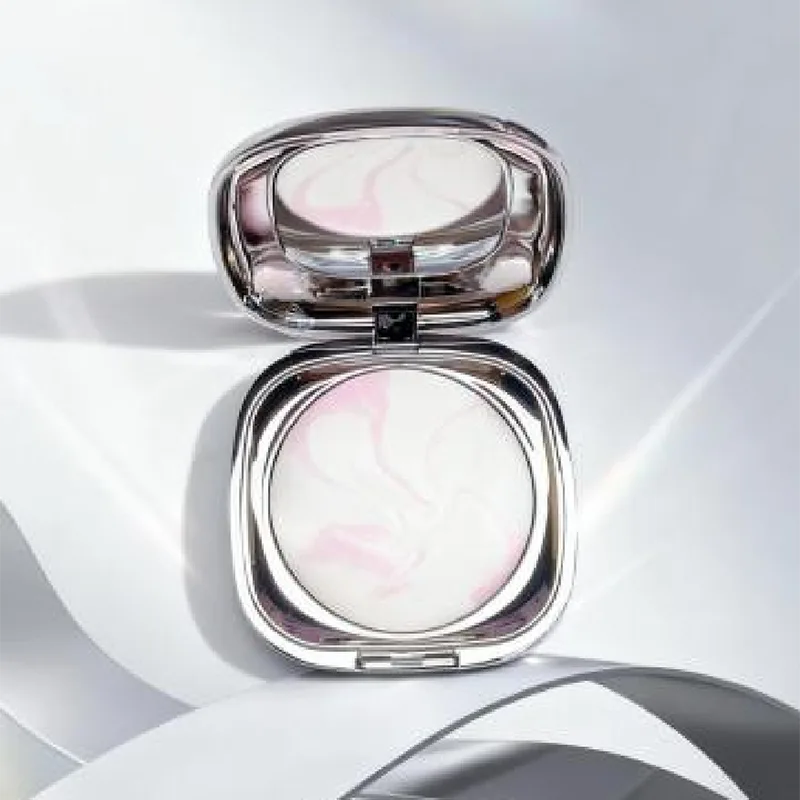
Building a Strong Face Cosmetic Product from the Ground Up
Face cosmetic products occupy an important place in everyday beauty routines. Foundation, concealer, powder, blush, highlighter, and contour products all have different jobs, but customers expect the same basic qualities: comfortable application, attractive results, convenient use, and dependable performance.
For a beauty brand, the challenge is turning these expectations into a commercially practical product. A formula may look excellent in a laboratory sample but perform differently under different temperatures, skin conditions, application methods, or packaging environments. Likewise, a shade that appears attractive under showroom lighting may not provide the same visual effect in natural daylight.
A successful face cosmetic development process therefore needs to consider the complete product rather than one isolated feature. Formula, shade, texture, packaging, production consistency, usability, and target-market expectations should work together from the beginning.
Understanding the Problems Customers Actually Experience
Many face cosmetic complaints are not caused by a single ingredient or manufacturing step. They often result from a mismatch between product design and real-life use. Understanding these problems before product development begins can help brands create more useful products and avoid costly reformulation.
| Common Customer Problem | Possible Product Issue | Development Focus |
|---|---|---|
| Makeup looks heavy | Excessive coverage or an unsuitable texture | Balance coverage with a lighter, more comfortable feel |
| Foundation looks patchy | Poor spreadability or incompatible skin preparation | Improve blendability and application behavior |
| Powder becomes cakey | Excessive product buildup or unsuitable oil-control performance | Optimize particle feel, adhesion, and layering |
| Color does not look natural | Limited shade development or incorrect undertone balance | Evaluate shades under multiple lighting conditions |
| Product is inconvenient to carry | Bulky or poorly designed packaging | Improve portability and dispensing design |
| Performance changes during storage | Formula or packaging compatibility concerns | Conduct appropriate stability and compatibility checks |
These details matter because customers rarely evaluate a face cosmetic by one technical specification. They judge the complete experience: how the product feels when opened, how easily it spreads, how it looks after application, how convenient it is to carry, and whether the result remains attractive throughout normal use.
Why Formula Performance Matters More Than Appearance Alone
The first impression of a face cosmetic may come from its color and packaging, but formula performance determines whether customers continue using it. A good formula should be designed around the intended product purpose and application method.
Texture and Spreadability
Foundation, concealer, cream blush, and contour products need to distribute evenly without requiring excessive rubbing. A formula that spreads too quickly may become difficult to control, while a formula that is too dense can create visible buildup.
Coverage and Layering
Customers have different preferences for coverage. Some want a light, natural appearance, while others need more coverage for specific areas. A flexible formula can allow controlled layering rather than forcing users to choose between very light coverage and an overly heavy finish.
Finish
Matte, natural, radiant, satin, and soft-focus finishes create different visual impressions. Product developers should determine the desired finish early because texture, pigment balance, powder selection, and application behavior all contribute to the final appearance.
Wear and Comfort
Long-wearing performance should not automatically mean a dry or uncomfortable feel. The ideal balance depends on the target product and customer group. Testing should consider realistic application conditions instead of relying only on controlled laboratory observations.
Creating Better Shade Performance for Real Customers
Shade development is one of the most visible challenges in face cosmetics. A color must work with the intended skin-tone range while also producing a predictable result under different lighting environments.
Brands should evaluate more than the surface color shown in a package. Undertone, depth, oxidation behavior, coverage level, and interaction with other makeup products can influence the final appearance.
- Test shades on appropriate skin-tone groups.
- Review both warm and cool undertones where relevant.
- Compare results under natural and artificial lighting.
- Check how the shade behaves after application and wear.
- Keep shade numbering and labeling consistent across production batches.
- Consider the shade range as part of the brand's long-term product strategy.
A well-planned shade system also makes future product expansion easier. Once a brand understands its core customer groups, it can develop complementary products such as concealers, powders, blushes, contours, and highlighters around a consistent color philosophy.
Key Face Cosmetic Categories Brands Can Develop
Face cosmetic is a broad category rather than a single product type. Each category solves a different customer need, which means development priorities can vary considerably.
| Category | Primary Purpose | Important Development Considerations |
|---|---|---|
| Foundation | Evening the appearance of skin tone | Coverage, shade range, finish, comfort, wear |
| Concealer | Targeted coverage | Precision, blendability, coverage, creasing behavior |
| Pressed Powder | Setting and refining the complexion | Texture, oil control, portability, application |
| Loose Powder | Setting and finishing | Particle feel, dispersion, packaging, finish |
| Blush | Adding color and dimension | Pigment payoff, blendability, buildability |
| Highlighter | Adding luminosity | Reflectivity, particle feel, intensity, finish |
| Contour | Adding definition and dimension | Shade balance, blendability, undertone, control |
A comprehensive face cosmetic portfolio can also make it easier for customers to combine products within the same brand. This creates opportunities for coordinated collections rather than isolated products.
From Product Concept to Consistent Manufacturing
Turning a product idea into a repeatable commercial product requires structured communication between the brand and manufacturer. The clearer the product brief, the easier it becomes to evaluate samples and identify necessary adjustments.
1. Define the Product Brief
Start with the target customer, intended price position, product type, finish, coverage, texture, shade range, packaging format, and expected market. A vague brief often creates unnecessary revisions later.
2. Develop and Evaluate Samples
Samples should be assessed from both technical and user perspectives. Application feel, color, finish, blendability, packaging usability, and overall appearance should all be documented.
3. Confirm the Formula and Packaging
Once the product direction is approved, the formula and packaging combination should be reviewed as a complete system. Compatibility is particularly important when the formula will remain in contact with the packaging during storage.
4. Establish Production Standards
Consistent production requires clear specifications for raw materials, color, texture, filling, packaging, labeling, and finished-product inspection. Documentation helps reduce variation and makes quality evaluation more objective.
5. Prepare for Scale
A formula that works at sample scale must also be suitable for commercial production. Mixing, filling, pressing, assembly, and packaging requirements can affect the final product, so scale-up planning should not be left until the last minute.
How Packaging Shapes the Face Cosmetic Experience
Packaging is not simply a decorative element. For face cosmetics, it can influence product protection, hygiene, portability, application convenience, and brand recognition.
A compact powder needs packaging that supports convenient application and transportation. A liquid foundation needs an appropriate dispensing solution. A cream or stick product needs packaging that protects the formula while remaining easy to use.
- Protection: The container should help protect the product during normal handling and storage.
- Usability: Customers should be able to open, dispense, apply, and close the product easily.
- Portability: Products intended for handbags or travel should be practical to carry.
- Brand identity: Shape, finish, color, printing, and labeling can create a recognizable visual system.
- Product compatibility: Packaging materials should be evaluated for suitability with the formula.
When packaging and formula are developed together, brands can avoid many late-stage design changes. This is especially important for private-label and OEM projects where packaging specifications may need to support a particular market positioning.
Quality Control Considerations That Protect Product Consistency
Consistency is one of the most important factors in commercial face cosmetic production. Customers expect the second purchase to perform like the first. Differences in color, texture, filling, packaging, or application behavior can damage confidence in a product.
A practical quality program can include inspections at several stages rather than relying only on final-product inspection.
- Raw material inspection and supplier control.
- Monitoring during formula preparation.
- Evaluation of semi-finished products where appropriate.
- Packaging and filling inspection.
- Finished-product appearance and specification checks.
- Packaging integrity and labeling verification.
- Batch documentation and traceability.
The exact testing program should depend on the product category, formula, packaging format, destination market, and applicable requirements. Brands should establish suitable testing expectations with their manufacturing partners before mass production begins.
Working with a Face Cosmetic Manufacturing Partner
Choosing a manufacturing partner is not simply a matter of comparing unit prices. A lower initial quotation can become expensive if the supplier cannot maintain shade consistency, support formulation adjustments, communicate clearly, or meet agreed production requirements.
GuangDong B.C.Biotech Co.,Ltd. is positioned as a cosmetics OEM and ODM manufacturer, with product capabilities covering areas such as face powder, blush, contour, highlighter, foundation, concealer, and related makeup products. Its company information also describes multiple production facilities and dedicated production areas for powder, wax-based, and liquid products.
For a brand evaluating a supplier, the more useful question is not simply whether a factory can manufacture one product. The key issue is whether the manufacturer can support the entire path from product concept and sample development to production, inspection, packaging, and delivery.
Questions Worth Asking Before Cooperation
- Can the supplier develop customized shades and textures?
- What face cosmetic categories does the factory regularly produce?
- How are raw materials and finished products inspected?
- How are samples revised after customer feedback?
- Can formula and packaging development be coordinated?
- What production scale can the supplier support?
- How are product specifications documented before mass production?
- Can the supplier support different packaging and branding requirements?
A Practical Face Cosmetic Development Checklist
Before moving from product concept to commercial production, brands can use the following checklist to identify missing information.
| Development Area | Questions to Confirm |
|---|---|
| Target Customer | Who will use the product and what problem should it solve? |
| Formula | Does the texture, coverage, finish, and wear match the intended positioning? |
| Shade | Has the shade been assessed under realistic lighting and on suitable skin tones? |
| Application | Can customers apply and blend the product easily? |
| Packaging | Does the packaging protect the formula and provide convenient use? |
| Quality | Are production specifications and inspection expectations clearly documented? |
| Production | Can the manufacturer maintain consistent commercial-scale output? |
| Branding | Are colors, labels, printing, and packaging aligned with the brand identity? |
Completing these points before mass production can reduce avoidable revisions and create a clearer communication process between the brand, product development team, and manufacturing partner.
Frequently Asked Questions About Face Cosmetic Development
Face cosmetic can include a broad range of complexion products such as foundation, concealer, pressed powder, loose powder, blush, highlighter, contour, primer, and other products designed to improve or enhance the appearance of the face.
Shade directly affects how natural and attractive a complexion product appears. Skin depth, undertone, lighting, coverage, and formula behavior can all influence the final result, so shade development should be evaluated carefully rather than based only on a color reference.
Yes. Depending on the manufacturer and project requirements, customization can involve formula, shade, texture, packaging, product format, labeling, and other brand-specific specifications. OEM and ODM cooperation can provide different levels of customization.
A detailed product brief, approved reference samples, documented specifications, suitable quality checks, and clear communication with the manufacturer can significantly reduce misunderstandings during scale-up.
Consider manufacturing experience, product categories, formulation capability, production capacity, quality systems, packaging support, customization options, communication, lead time, and the supplier's ability to maintain consistent quality at commercial scale.
Yes. Packaging can influence dispensing, portability, product protection, application convenience, and formula compatibility. For this reason, packaging should be considered as part of the overall product development process rather than as an afterthought.
Final Thoughts: Creating Face Cosmetic Products Customers Can Trust
Developing a successful face cosmetic product requires a combination of thoughtful product planning, suitable formulation, practical shade development, reliable packaging, controlled manufacturing, and careful quality management. The strongest products are not necessarily the most complicated. They are products designed around a clear customer need and produced with enough consistency to deliver the expected experience every time.
For brands, the development process should begin with the customer rather than the factory. Define the desired result, understand the application experience, determine the right texture and finish, build an appropriate shade range, and then select a manufacturing partner capable of translating those requirements into repeatable production.
With the right development process and manufacturing support, face cosmetic products can become more than individual makeup items. They can form a coordinated product line that gives customers convenient solutions while helping beauty brands build a recognizable and dependable market presence.
Ready to Develop Your Face Cosmetic Line?
If you are planning a new foundation, powder, blush, highlighter, contour, concealer, or other face cosmetic product, working with an experienced manufacturing partner can make the development process more efficient and predictable.
GuangDong B.C.Biotech Co.,Ltd. supports cosmetic OEM and ODM projects and can help brands explore customized face cosmetic solutions, product formats, and manufacturing requirements.
Share your product concept, target market, preferred texture, shade requirements, packaging direction, and expected order details to start a focused product discussion.
Contact UsProduct specifications, testing requirements, packaging compatibility, and production arrangements should be confirmed for each individual project and destination market before commercial launch.