

Article Summary: Lip Lipstick remains one of the most recognizable categories in color cosmetics because it combines visible color, texture, finish and application experience in one compact product. From liquid and matte formulas to moisturizing textures and shimmer finishes, different lipstick formats can address different consumer expectations. This article explores lipstick selection, formulation considerations, application techniques, packaging, product development and sourcing considerations for beauty brands looking to build dependable lip makeup collections.
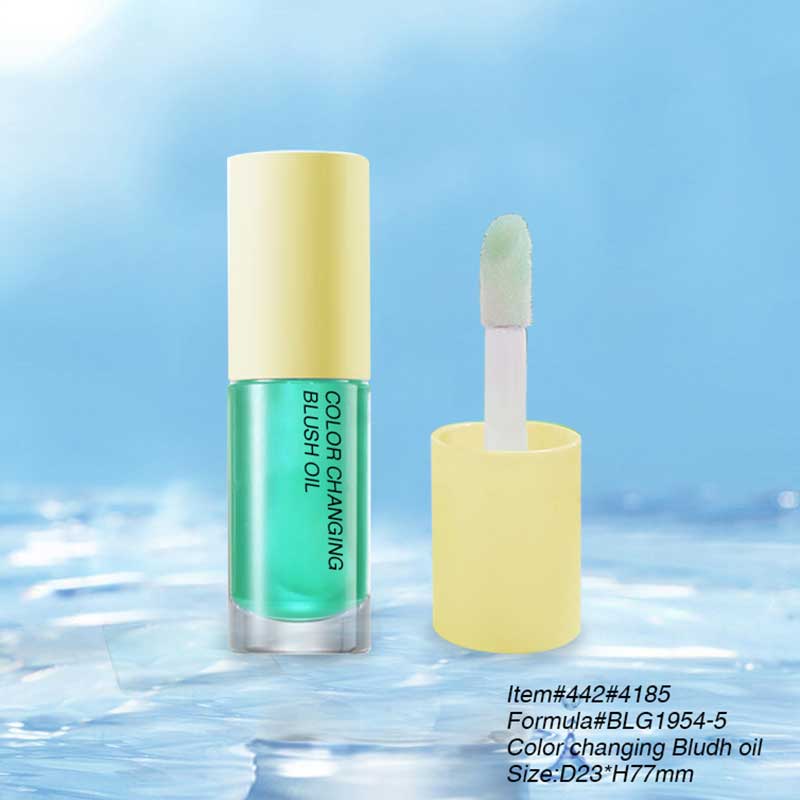
What Makes Lip Lipstick an Essential Makeup Product?
Lip Lipstick occupies a distinctive position in color cosmetics because the product combines several visible characteristics at once: color payoff, texture, finish, comfort, wear and packaging. Unlike many complexion products that are designed to blend into the overall appearance, lipstick can become a deliberate focal point of a makeup look.
For everyday consumers, lipstick may be used to create a polished appearance in just a few seconds. For professional makeup artists, it can help establish character, mood and visual balance. For beauty companies, meanwhile, lipstick offers a flexible platform for developing shades, finishes, packaging concepts and different price points.
Lipstick can range from subtle nude tones to highly saturated reds, pinks, berries, browns and fashion-forward shades.
Creamy, lightweight, watery, smooth and more velvety textures can create noticeably different application experiences.
Matte, moisturizing, glossy and shimmer-oriented finishes give brands room to build differentiated product lines.
B.C.Biotech's Lip Lipstick product category includes several lipstick-related formats, including liquid, moisturizing, matte and shimmer-oriented products. This variety reflects an important principle in lip cosmetics: there is rarely one texture or finish that satisfies every makeup occasion. Instead, product development can be organized around specific user expectations and application habits.
How Does Lipstick Texture Affect the Makeup Experience?
Texture is one of the first things a consumer notices when applying lipstick. Two products may use similar color families while delivering very different experiences because of their formula structure and finish. Texture influences glide, coverage, perceived moisture, layering and the final appearance of the lips.
1. Cream and Moisturizing Textures
Moisturizing lipstick is designed around a softer, more comfortable application experience. A creamy texture can help lipstick spread smoothly across the lips and create a softer visual effect. This type of finish can be especially suitable for consumers who prefer a less dry-looking makeup appearance.
2. Matte Textures
Matte lipstick generally emphasizes color intensity and a low-reflective appearance. It can create a defined, sophisticated lip look, but formula balance is important. A matte product should be evaluated not only for color saturation but also for application, evenness and overall comfort.
3. Liquid Lipstick
Liquid lipstick provides a different application method because the formula is delivered through an applicator rather than a traditional bullet. Depending on the formulation, liquid lipstick can offer strong color payoff, a smooth application process and the ability to create precise lip contours.
4. Shimmer and Reflective Finishes
Shimmer-oriented lipstick uses reflective particles or a luminous finish to create additional visual dimension. These products can work particularly well for consumers who prefer a more noticeable or decorative lip effect.
| Product Format | Typical Visual Effect | Application Focus | Common Consumer Expectation |
|---|---|---|---|
| Moisturizing Lipstick | Creamy, comfortable, softer-looking finish | Smooth and even coverage | Comfort and moisture feel |
| Matte Lipstick | Low-reflective and highly defined | Precise and even application | Strong color and refined appearance |
| Liquid Lipstick | Defined liquid color effect | Controlled application with an applicator | Color payoff and versatility |
| Shimmer Lipstick | Luminous or reflective appearance | Even distribution of shimmer | Dimension and visual impact |
How Do Different Lipstick Finishes Create Different Looks?
A lipstick shade is only part of the final result. Finish changes the way light interacts with the lips, which means the same general color family can look completely different in matte, creamy, glossy or shimmer formulations.
- Matte: Creates a more defined and low-shine appearance.
- Cream: Offers a softer appearance with a smooth application feel.
- Moisturizing: Emphasizes a comfortable, hydrated-looking appearance.
- Shimmer: Adds light reflection and visual dimension.
- Liquid: Provides a flexible format that can be developed around different finishes.
A well-planned lipstick range does not need dozens of random shades. A more structured approach is to connect shade families with meaningful texture and finish differences. For example, a brand could build a core collection around everyday neutrals, signature reds and seasonal colors, then use texture to create additional product differentiation.
How Can Lipstick Address Common Consumer Concerns?
Many lipstick complaints are not simply about color. Consumers may notice uneven application, excessive dryness, insufficient color payoff, uncomfortable texture, difficult removal or packaging that does not match the intended usage environment.
Product development should therefore consider the complete user journey rather than focusing on a single performance characteristic.
Concern: Uneven Color
Uneven application can make a lipstick look patchy or inconsistent. Formula spreadability, pigment distribution and applicator design can all influence the final result. Shade testing should include multiple application methods rather than relying on a single laboratory swatch.
Concern: Dry-Looking Lips
Consumers who prefer a comfortable finish may respond better to creamy or moisturizing textures. However, comfort claims should be supported by appropriate product testing and should not be treated as identical across every consumer.
Concern: Insufficient Color Impact
Color payoff is especially important for stronger shades. A lipstick may appear attractive inside its package but perform differently once applied. Shade development should therefore consider both the formula and the visual result on the lips.
Concern: Difficult Application
Application can become challenging when a formula is too stiff, too fluid or difficult to control. Packaging and applicator design should be developed together with the formula whenever possible.
How Should Lipstick Be Applied for a More Refined Result?
Even a well-developed lipstick can produce a different result depending on preparation and application. A simple routine can help improve consistency, especially when working with stronger shades or matte textures.
- Prepare the lips. Make sure the lip surface is clean and comfortable before applying color. If the lips feel dry, appropriate lip care can be used before makeup.
- Define the shape. Start near the center of the lips and work outward. A lip liner can be used when additional contour definition is desired.
- Apply the first layer. Apply a thin and even layer rather than immediately using excessive product. This can make the color easier to control.
- Build intensity gradually. Add another layer where stronger color is required. Layering can be particularly useful when creating different levels of intensity from one product.
- Check the edges. Clean, balanced edges can make the overall makeup look more polished, especially with saturated shades.
For brands developing application instructions, it is useful to provide directions that reflect the actual behavior of the formula. A watery liquid lipstick, a traditional bullet lipstick and a dense matte formula may require different application techniques.
How Can Brands Build a More Complete Lipstick Collection?
For beauty brands, developing a lipstick range is a balance between consumer relevance, product differentiation and operational practicality. A collection should have a clear internal structure so that every SKU has a reason to exist.
Start With Core Shade Families
Neutral, pink, red, berry and brown families can provide a foundation for a broad color architecture. Additional shades can then be introduced around seasonal campaigns, regional preferences or brand identity.
Connect Shades With Finishes
Instead of treating every shade as an independent product, brands can create coordinated collections. For example, a signature color family could be available in a matte texture and a moisturizing texture, giving consumers different ways to wear a similar color concept.
Think Beyond the Formula
Packaging, applicator shape, closure, decoration, labeling and outer-box presentation all contribute to the product experience. For private-label and OEM projects, these elements can be considered during product development rather than added only at the end.
- Target consumer and intended usage occasion
- Shade architecture and color range
- Texture and finish
- Application method
- Packaging dimensions and appearance
- Formula requirements and restricted-ingredient considerations
- Testing and quality-control requirements
- Production quantity and delivery schedule
How Does Manufacturing Support Consistent Lipstick Quality?
Manufacturing consistency matters because consumers expect a product to behave similarly from one purchase to the next. For lipstick, consistency can involve color, texture, application, packaging and the overall appearance of the finished product.
GuangDong B.C.Biotech Co.,Ltd. was established in 2017 in Zhongshan, Guangdong, and the company describes its business as an OEM and ODM cosmetics manufacturer. Its product range covers multiple categories of color cosmetics, including lipstick and other lip products.
For brands considering an OEM or ODM lipstick project, communication between product development, formulation, packaging and production teams is particularly important. A lipstick specification should not only describe the desired shade. It should also establish the intended texture, finish, packaging format, target market and required documentation.
Why Sampling Matters
Samples allow brands to evaluate a product before committing to larger-scale production. A useful sample review can examine color under different lighting conditions, application smoothness, texture, packaging usability and compatibility with the brand's intended positioning.
Why Documentation Matters
Cosmetic products may be sold across different markets, each with its own requirements. Buyers should discuss applicable product documentation, ingredient information, safety assessments, labeling and market compliance with the manufacturer before production.
B.C.Biotech states that its development work considers regulatory requirements for different markets and that its teams can work with customer-specific formulation requirements. These capabilities should still be discussed directly with the manufacturer for each individual product and destination market.
How Can Buyers Evaluate a Lipstick Manufacturing Partner?
Choosing a lipstick manufacturing partner involves more than comparing unit prices. The right questions should cover development capability, communication, production consistency, packaging coordination, documentation and delivery planning.
| Evaluation Area | Questions to Discuss |
|---|---|
| Product Development | Can the manufacturer develop different textures, finishes and shades according to a brief? |
| Customization | Can the brand customize formula, color, packaging and product presentation? |
| Sampling | How are samples prepared, reviewed and adjusted before bulk production? |
| Quality Control | What checks are performed during filling, packaging and finished-product inspection? |
| Documentation | What product and compliance documents can be provided for the target market? |
| Production Planning | What are the minimum order quantities, lead times and packaging requirements? |
| Communication | Is there a clear process for approving formulas, shades, packaging and production samples? |
A detailed product brief can make this process much easier. Instead of saying that a brand wants a “long-lasting lipstick,” specify the desired finish, texture, shade family, application feel, packaging style, target market and other measurable requirements wherever possible.
What Should a Lipstick Product Brief Include?
- Product type and intended format
- Target shade or shade family
- Desired finish
- Texture and application preference
- Target consumer group
- Packaging concept
- Expected order quantity
- Target market and applicable regulatory requirements
- Required product documentation
- Expected development and delivery schedule
The more clearly these requirements are defined, the easier it becomes for both the brand and manufacturer to identify potential formulation or packaging issues before mass production.
Frequently Asked Questions
What is Lip Lipstick?
Lip Lipstick is a broad lipstick product category covering different lipstick formats, textures and finishes. Depending on the product line, it can include traditional, liquid, moisturizing, matte and shimmer-oriented lipstick products.
What is the difference between matte and moisturizing lipstick?
Matte lipstick generally emphasizes a low-shine appearance and strong visual definition, while moisturizing lipstick focuses more on a softer, comfortable and moisture-oriented makeup experience. The actual feel and performance depend on the individual formula.
Can lipstick formulas be customized for a private-label brand?
Many OEM and ODM manufacturers offer formula and shade customization. The exact level of customization, minimum order quantity, development process and available documentation should be confirmed with the manufacturer for each project.
Can lipstick packaging also be customized?
Packaging customization can include the container style, decoration, color, labeling and outer packaging. Available options depend on the manufacturer's supply chain and the requirements of the specific project.
How should a brand test a lipstick sample?
A brand can evaluate shade accuracy, application smoothness, texture, finish, layering behavior, packaging usability and overall appearance. Testing under different lighting and on representative users can provide additional practical information.
What should buyers discuss before ordering lipstick in bulk?
Buyers should confirm formula specifications, shades, packaging, minimum order quantity, sampling, production lead time, quality-control procedures, documentation, labeling requirements and destination market requirements before approving bulk production.
Why is product consistency important for lipstick brands?
Consumers expect repeat purchases to provide a familiar experience. Consistency in shade, texture, application and packaging can therefore be an important part of maintaining a reliable product line.
Building a Lipstick Product That Consumers Can Trust
Lip Lipstick is a versatile category with room for substantial product differentiation. The strongest product concepts begin with a clear understanding of what the consumer needs and then connect shade, texture, finish, application, packaging and manufacturing requirements into one coherent product.
For beauty brands, the development process should not stop at selecting a fashionable color. A successful lipstick project requires attention to the complete product experience, from the first application to packaging usability and repeat-purchase expectations.
Whether the goal is to create a moisturizing everyday lipstick, a high-impact matte collection, a liquid lipstick line or a more decorative shimmer range, working with an experienced OEM/ODM partner can help transform a product concept into a structured development project.
Ready to Develop Your Lipstick Collection?
If you are planning a new lipstick line, private-label project or customized lip makeup collection, GuangDong B.C.Biotech Co.,Ltd. can discuss your product concept, shade requirements, packaging ideas and manufacturing needs. Share your project specifications and let the development conversation begin.
Contact UsProduct and company information referenced in this article is based on information published on the official B.C.Biotech website. Product specifications, customization options, lead times, documentation and regulatory requirements should be confirmed for each individual project before production.