
What Makes Brass the Ideal Material for a Pressing Comb?
2026-10-13
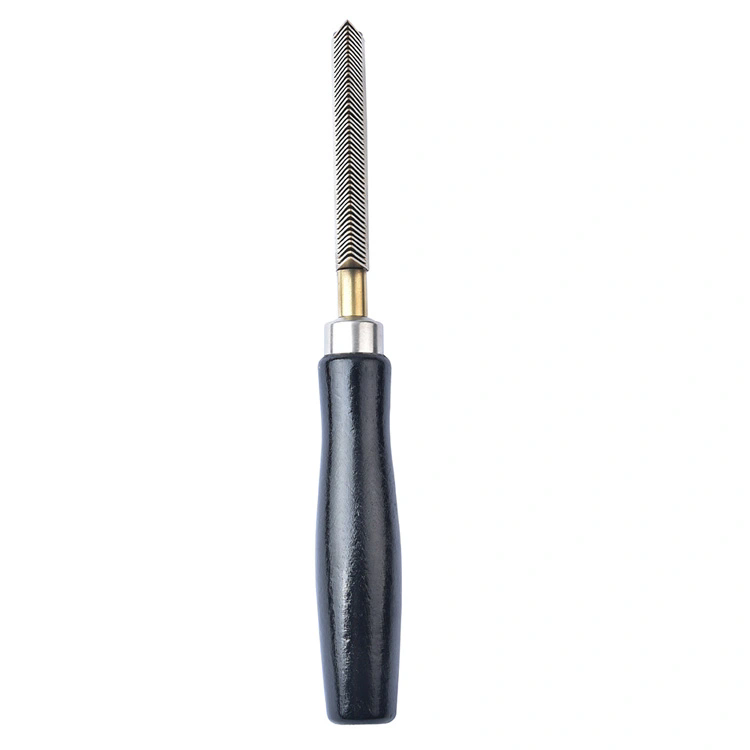
A barber picks up a Pressing Comb Brass that has been in service for twelve years. The teeth are still perfectly aligned. The surface has a warm patina but no pitting. The comb heats evenly across its entire length, and the hair glides through without snagging. The barber then picks up a stainless steel comb that was purchased two years ago. The teeth have developed a slight yellow discoloration, and the comb does not hold heat evenly. The center is hot, but the ends are barely warm. This is the difference between brass and other materials. Brass is not just a traditional choice. It is an engineering choice. This guide explains why.
1. How Does Brass Compare to Aluminum and Stainless Steel in Thermal Conductivity?
The thermal conductivity of the comb material determines how quickly and how evenly the comb heats up. Brass has a thermal conductivity of 120 W/mK. Aluminum has a thermal conductivity of 205 W/mK, which is higher. Stainless steel has a thermal conductivity of 16 W/mK, which is much lower. At first glance, aluminum seems like the better choice because it conducts heat faster. But thermal conductivity is not the only factor. The specific heat capacity of the material determines how much heat energy it can store. Brass has a specific heat capacity of 380 J/kgK. Aluminum has a specific heat capacity of 900 J/kgK. This means that brass heats up faster for a given heat input and holds a more stable temperature. The table below compares the thermal properties of the three materials.
| Property | Brass (H62) | Aluminum (6061) | Stainless steel (304) |
| Thermal conductivity (W/mK) | 120 | 205 | 16 |
| Specific heat capacity (J/kgK) | 380 | 900 | 500 |
| Density (g/cm³) | 8.4 | 2.7 | 7.9 |
| Time to reach 180°C (seconds) | 25 | 18 | 60 |
| Temperature variation across comb | ±3°C | ±8°C | ±15°C |
In our factory, we have tested the heating performance of Pressing Comb Brass units against aluminum and stainless steel combs. The brass comb reached 180°C in 25 seconds and maintained a temperature variation of ±3°C across its length. The aluminum comb reached 180°C faster but had a variation of ±8°C. The stainless steel comb was the slowest and had the highest variation. Ningbo Ruishi Technology Co., Ltd. has been manufacturing brass pressing combs for over 12 years.
2. Why Does Brass Provide Better Hair Glide Than Other Metals?
The hair glide is determined by the surface friction between the comb and the hair. Brass has a naturally low coefficient of friction against hair, especially when it develops a light oxide layer. This oxide layer, called patina, is smooth and self-lubricating. Aluminum also forms an oxide layer, but it is harder and more abrasive. Stainless steel has a passive oxide layer that is very thin and can cause stiction, which is a jerky motion when the comb starts to move. The table below shows the coefficient of friction for different comb materials against dry hair.
| Material | Coefficient of friction | Hair glide rating (1-10) | Static charge generation |
| Brass (with patina) | 0.18 | 9 | Low |
| Aluminum (anodized) | 0.28 | 7 | Moderate |
| Stainless steel (polished) | 0.35 | 5 | High |
| Plastic (ABS) | 0.40 | 4 | Very high |
The low friction of brass means that the comb does not pull or break the hair during pressing. This is especially important for natural hair, which is more fragile when heated. The low static charge generation also means that the hair does not fly away or cling to the comb. In our factory, we polish the teeth of our Pressing Comb Brass units to a surface finish of Ra 0.4 microns. This smooth surface, combined with the natural patina, provides the best hair glide.
3. How Does Brass Resist Deformation and Wear Over Time?
A pressing comb is subjected to repeated heating and cooling cycles, mechanical stress from pressing, and chemical exposure from hair products. The material must resist deformation and wear. Brass has a yield strength of 200 to 300 MPa, depending on the alloy and temper. This is lower than stainless steel (200 to 500 MPa) but higher than aluminum (100 to 200 MPa). However, brass has excellent fatigue resistance. It can withstand millions of thermal cycles without cracking. The table below shows the mechanical properties of the three materials.
| Property | Brass (H62) | Aluminum (6061-T6) | Stainless steel (304) |
| Yield strength (MPa) | 250 | 276 | 215 |
| Fatigue limit (MPa at 10⁷ cycles) | 120 | 96 | 180 |
| Thermal expansion coefficient (10⁻⁶/°C) | 19 | 23 | 17 |
| Corrosion resistance (hair products) | Good | Fair | Excellent |
| Deformation after 10,000 cycles | None | Slight bending | None |
Barber's observation: The most common failure mode of an aluminum pressing comb is bending of the teeth. Aluminum is soft, and the teeth can be bent by accidental drops or by pressing too hard. Brass teeth are stiffer and return to their original shape after minor bending. Stainless steel teeth are the stiffest but can crack if bent too far. In our factory, we have tested the teeth of our brass combs by applying a 5 kg load at the tip. The teeth deflected by 0.5 mm and returned to zero when the load was removed. The aluminum teeth deflected by 1.2 mm and did not fully recover.
4. How Does the Manufacturing Process Affect Brass Comb Quality?
The quality of a brass pressing comb depends on the manufacturing process. The most important steps are the alloy selection, the forging or machining of the teeth, the heat treatment, and the surface polishing. The alloy must have the right balance of strength, thermal conductivity, and corrosion resistance. H62 brass (62% copper, 38% zinc) is the standard for pressing combs. The teeth are usually machined from a solid bar, which provides better alignment than casting. The heat treatment relieves the internal stresses from machining, which prevents warping during use. The surface polishing removes burrs and creates a smooth finish. The table below shows the manufacturing steps and their quality impact.
| Manufacturing step | Quality impact | Typical specification |
| Alloy selection | Determines strength and thermal conductivity | H62 (Cu 62%, Zn 38%) |
| Tooth machining | Determines tooth alignment and spacing | CNC machined; spacing ±0.05 mm |
| Heat treatment | Relieves stress; prevents warping | 350°C for 2 hours; slow cool |
| Surface polishing | Determines hair glide and appearance | Ra 0.4 microns; mirror finish |
| Final inspection | Ensures dimensional accuracy | 100% inspection of tooth alignment |
In our factory, we use CNC machining to cut the teeth of our Pressing Comb Brass units. The teeth are spaced at 1.5 mm intervals with a tolerance of ±0.05 mm. After machining, the comb is heat treated at 350°C for 2 hours and slowly cooled. This relieves the internal stresses and prevents the comb from warping when it is heated. The comb is then polished to a mirror finish and inspected. Rayvex performs a 100 percent inspection of tooth alignment before packaging.
Frequently Asked Questions About Brass Pressing Combs
Summary for Barbers and Consumers
Brass is the ideal material for a pressing comb because it combines even heat distribution, low friction against hair, and excellent fatigue resistance. Unlike aluminum, it does not develop hot spots or bend easily. Unlike stainless steel, it does not cause stiction or generate static. The natural patina that develops on brass improves the hair glide over time. When selecting a pressing comb, look for H62 brass, CNC-machined teeth, and a mirror polish. With proper care, a brass comb can last for decades. Ningbo Ruishi Technology Co., Ltd. has been manufacturing brass pressing combs for over 12 years and supplies to barbers and retailers worldwide.
Ningbo Ruishi Technology Co., Ltd. manufactures Pressing Comb Brass units from H62 brass with CNC-machined teeth, heat treatment, and mirror polishing. We provide dimensional inspection reports and material certificates for all of our products.