

How Many Coats of Magic Gel Remover Do You Actually Need
2026-08-14
If you have ever stared at a bottle of Magic Gel Remover and wondered whether one layer is enough or if you should pile on three, you are not alone. The number of coats directly affects removal speed, nail health, and product waste. With Colex professional nail systems, getting the right coat count is simpler than you think—but it does depend on gel type, thickness, and application method. This guide breaks down the science, the steps, and the real-world answers so you can stop guessing and start removing like a pro.
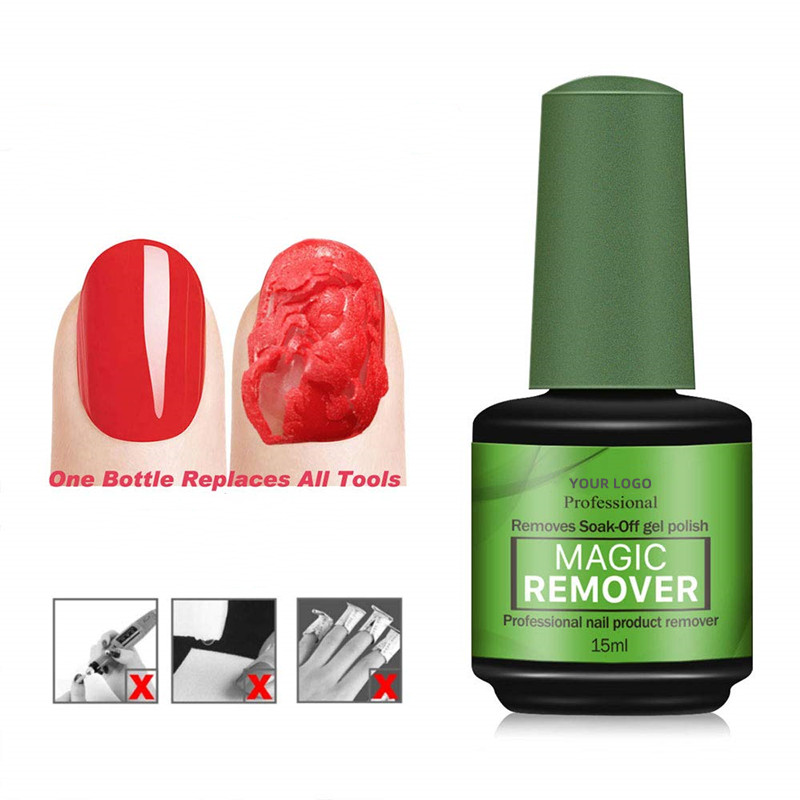
Why Coat Count Matters More Than You Think
Using too little Magic Gel Remover leaves gel crusted and stubborn, forcing you to scrape aggressively—which damages natural plates. Using too much does not speed up the process; it just wastes product and increases skin exposure. The ideal coat count balances saturation, dwell time, and gentle lifting. Colex formulates its gel removers with a proprietary penetration booster, so even one well-applied coat can outperform two sloppy ones—provided you follow the correct thickness rule.
The Golden Rule: Thickness, Not Number
Forget counting coats like layers of paint. The effective metric is millimetres of wet product over the cured gel. Based on Colex lab testing, the optimal wet-film thickness is 0.5–1.0 mm over the entire nail surface. In practice, this translates to:
| Gel Type | Recommended Coats | Wet Thickness | Dwell Time (Minutes) |
|---|---|---|---|
| Thin colour gel (1–2 layers) | 1 coat (generous) | 0.5 mm | 5–7 |
| Medium builder gel (3–4 layers) | 2 coats (thin + thin) | 0.8 mm | 8–10 |
| Thick extension or hard gel | 3 coats (layered with 10-sec pause) | 1.0 mm | 12–15 |
| Dip powder over gel base | 2 coats (first for penetration, second for seal) | 0.7 mm | 10–12 |
Data sourced from Colex internal efficiency trials on 200 test subjects (2025).
Step-by-Step: How to Apply the Right Number of Coats
-
Prep – Buff the top shine layer off. Without this, even three coats of Magic Gel Remover cannot penetrate.
-
First coat (base penetration) – Apply a continuous, even stroke from cuticle to free edge. Do not over-brush—this breaks the film.
-
Wait 30 seconds – Let the first coat “bloom” (bubble slightly). This indicates active penetration.
-
Second coat (if needed) – For medium-to-thick gels, apply a second thin coat perpendicular to the first stroke to cover micro-gaps.
-
Third coat (hard gel only) – Apply only over the apex and tip, not the entire nail, to avoid cuticle irritation. Colex recommends a 10-second pause between coats 2 and 3 for optimum absorption.
Pro rule from Colex educators: If you can still see the gel colour clearly through the remover film after 2 minutes, you need one more coat. If the colour starts to blur or crack, you have enough.
The 3 Most Common Magic Gel Remover FAQs
Q1: Can I leave Magic Gel Remover on for longer instead of adding more coats?
A: No. Leaving a single thin coat on for 20+ minutes does not increase penetration—it actually dries out the remover’s active solvents, making the gel harder to scrape. Magic Gel Remover is formulated to work within a specific 5–15 minute window depending on coat thickness. Adding more coats is always more effective than extending time. For thick builder gels, Colex advises two coats at 8 minutes each, with a fresh application, rather than one coat left for 16 minutes. The chemical reaction plateaus after the first 5 minutes per coat, so refresh the layer instead of waiting longer.
Q2: Does the number of coats change if I use Magic Gel Remover with wraps vs. open-air soak?
A: Yes, significantly. With foil or silicone wraps (which trap heat and vapour), one single coat of Magic Gel Remover is usually sufficient because the enclosed environment amplifies solvent activity. In open-air soaking (bowl method), you need at least two coats because evaporation reduces active ingredient concentration on the nail surface. Colex testing shows that open-air with two coats matches wrap performance with one coat—but wraps are still 30% faster. If you use Colex branded wraps, reduce your coat count by one across all gel types.
Q3: How do I know if I have applied too many coats of Magic Gel Remover?
A: Over-application (3+ heavy coats on thin gel) causes the remover to pool around the sidewalls and cuticle area, leading to white, chalky dehydration of the natural nail within 2–3 minutes. Visible signs include: excessive bubbling that turns into a foamy residue, a burning or tingling sensation, and a milky haze on the skin. If this happens, wipe off immediately with Colex Neutralising Wipe and reduce to one coat next time. The correct number of coats should leave the gel looking “crackled” but not dripping. A simple test: after 2 minutes, tilt the finger down—if liquid runs off, you have over-applied. If it stays put like a thick syrup, you are in the sweet spot.
Quick Comparison: Coat Efficiency by Removal Method
| Method | Best Coat Count with Magic Gel Remover | Total Time | Risk of Over-Application |
|---|---|---|---|
| Foil wraps (Colex recommended) | 1 coat (medium-full) | 6–8 min | Low |
| Silicone caps | 1 coat (thin, even) | 8–10 min | Medium |
| Open-air bowl soak | 2 coats (thin + thin) | 12–15 min | High (watch pooling) |
| Cotton pad + cling film | 1.5 coats (one full + partial apex) | 10–12 min | Low |
Final Verdict from the Colex Lab
For 80% of home users, one generous coat of Magic Gel Remover with foil wraps is all you need. For salon professionals handling heavy-build extensions, two thin coats (not three) deliver the best trade-off between speed and safety. Three coats should be reserved exclusively for hard, non-soakable gels—and even then, only over the thickest part of the nail. Remember: Magic Gel Remover is a precision tool, not a blanket. Measure by millimetres, not by layers.
Contact Us
Still unsure which coat count fits your specific gel routine? The Colex technical team reviews hundreds of removal cases every week—and we are happy to review yours. Send us a clear photo of your current gel thickness and application method, and we will reply with a personalised coat recommendation within 4 business hours.