

How Does Laser Tattoo Removal Work and Why Is It the Best Choice for Safe Tattoo Removal?
2026-05-11
Tattoos can represent memories, creativity, or important moments in life. However, personal preferences and lifestyles change over time, causing many people to seek a reliable solution for removing unwanted ink. Modern laser tattoo removal technology provides a safer, more effective, and minimally invasive option for fading or completely removing tattoos with fewer risks than traditional methods.
Article Summary
This article explains how laser tattoo removal works, why it has become the preferred treatment for tattoo removal, and what patients should expect during the process. You will learn about laser technology, treatment benefits, recovery time, possible side effects, and important tips for choosing professional equipment and experienced providers. The guide also highlights how advanced systems from Xiamen ELOS Photoelectric Technology Co., Ltd. help clinics deliver more precise and comfortable treatments.
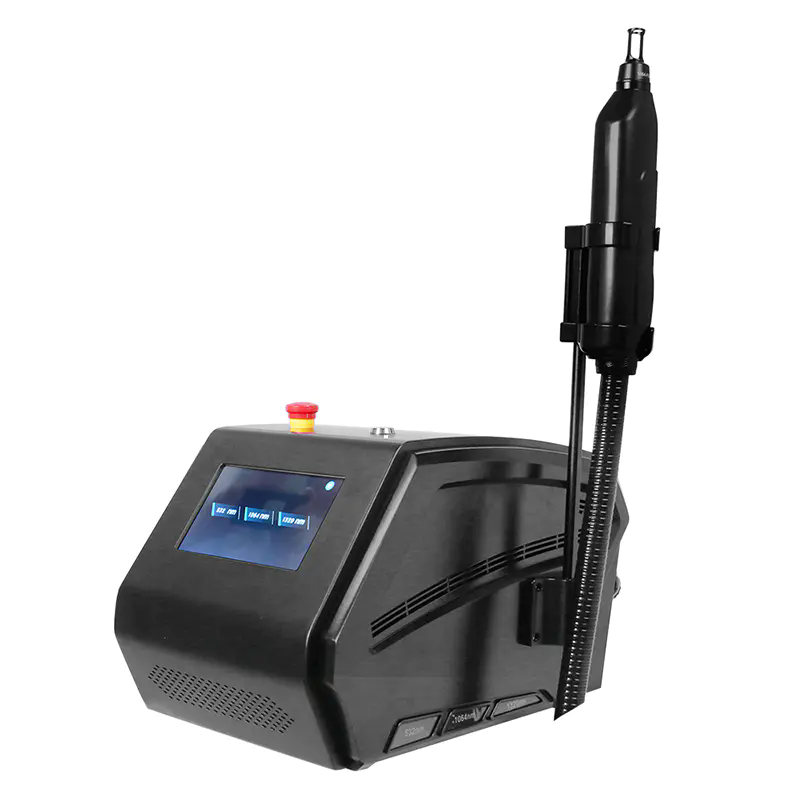
Table of Contents
- What Is Laser Tattoo Removal?
- How Does Laser Tattoo Removal Work?
- Why Do People Choose Laser Tattoo Removal?
- What Types of Tattoos Can Be Removed?
- Benefits of Modern Laser Technology
- What Happens During a Treatment Session?
- How Many Sessions Are Needed?
- Aftercare Tips for Better Results
- Possible Side Effects and Safety Considerations
- How to Choose the Right Laser Tattoo Removal System
- Frequently Asked Questions
- Conclusion
What Is Laser Tattoo Removal?
Laser tattoo removal is a non-surgical cosmetic treatment designed to break down tattoo ink particles beneath the skin using concentrated light energy. Once the ink particles are fragmented into smaller pieces, the body’s immune system naturally removes them over time.
Unlike outdated methods such as dermabrasion or surgical excision, laser technology targets tattoo pigments more accurately while minimizing damage to surrounding tissue. This approach reduces scarring risks and improves patient comfort.
Today, advanced Q-switched and picosecond laser systems are widely used because they can treat multiple ink colors with higher precision and shorter recovery periods.
How Does Laser Tattoo Removal Work?
Laser tattoo removal works by delivering short pulses of high-intensity light into the skin. Different wavelengths are absorbed by different tattoo pigments. The laser energy causes the ink particles to shatter into microscopic fragments.
After the treatment, the body gradually clears away these tiny particles through the lymphatic system. Because only a portion of the ink is removed during each session, multiple treatments are usually necessary.
Key Principle: Different ink colors absorb different wavelengths of laser light. Professional systems use multiple wavelengths to treat a wider range of tattoo colors effectively.
| Laser Wavelength | Target Tattoo Colors | Common Applications |
|---|---|---|
| 1064nm | Black, dark blue | Deep pigment removal |
| 532nm | Red, orange, yellow | Bright color tattoos |
| 755nm | Green, blue | Complex multicolor tattoos |
Why Do People Choose Laser Tattoo Removal?
People seek tattoo removal for many personal and professional reasons. Some simply outgrow old designs, while others want to improve employment opportunities or prepare for new tattoos.
- Unwanted or outdated tattoos
- Poor tattoo quality or fading
- Career and professional image concerns
- Relationship-related tattoos
- Preparation for cover-up tattoos
- Skin appearance improvement
Laser tattoo removal offers a practical solution because it allows gradual fading with controlled treatment intensity.
What Types of Tattoos Can Be Removed?
Most tattoos can be significantly faded or completely removed with advanced laser systems. However, results vary depending on several factors.
| Factor | Impact on Removal |
|---|---|
| Ink Color | Black ink removes faster than lighter colors |
| Tattoo Age | Older tattoos are usually easier to remove |
| Ink Depth | Professional tattoos may require more sessions |
| Skin Type | Skin tone influences laser settings |
| Tattoo Size | Larger tattoos take longer to treat |
Professional consultation is important before beginning treatment to estimate the number of sessions and expected outcomes.
Benefits of Modern Laser Technology
Modern laser tattoo removal systems offer significant improvements compared to older technologies.
- Higher precision targeting
- Reduced risk of skin damage
- Faster treatment sessions
- Better removal of stubborn pigments
- Shorter recovery periods
- More comfortable patient experience
Manufacturers like Xiamen ELOS Photoelectric Technology Co., Ltd. continue to develop advanced laser solutions that support stable energy output, intelligent control systems, and enhanced treatment safety for clinics worldwide.
High-quality equipment helps practitioners deliver more predictable and consistent results across various skin types and tattoo conditions.
What Happens During a Treatment Session?
A typical laser tattoo removal session begins with skin assessment and cleansing. Protective eyewear is provided for both the operator and the patient.
The practitioner adjusts the laser settings according to tattoo color, skin type, and ink density. During treatment, patients may feel a snapping sensation similar to a rubber band against the skin.
Treatment Duration: Small tattoos may take only a few minutes, while larger tattoos can require longer sessions.
After treatment, cooling methods or soothing creams may be applied to reduce discomfort and support healing.
How Many Sessions Are Needed?
Tattoo removal is a gradual process. Most patients require multiple sessions spaced several weeks apart to allow the skin to recover and the body to eliminate fragmented ink particles.
On average:
- Small simple tattoos: 4–6 sessions
- Professional dark tattoos: 6–10 sessions
- Complex colorful tattoos: 8–12 sessions or more
Consistency and patience are essential for achieving optimal results.
Aftercare Tips for Better Results
Proper aftercare is critical for minimizing complications and improving treatment effectiveness.
- Keep the treated area clean and dry
- Avoid direct sunlight
- Do not scratch or pick at scabs
- Apply recommended healing ointments
- Stay hydrated to support recovery
- Follow all provider instructions carefully
Ignoring aftercare recommendations may increase the risk of irritation, delayed healing, or pigmentation changes.
Possible Side Effects and Safety Considerations
Laser tattoo removal is generally safe when performed using professional equipment by trained practitioners. However, temporary side effects can occur.
| Possible Side Effect | Description |
|---|---|
| Redness | Common and temporary |
| Swelling | Usually subsides within days |
| Blistering | May occur during healing |
| Skin Sensitivity | Treated area may feel tender |
| Pigment Changes | Temporary lightening or darkening of skin |
Choosing advanced laser systems and experienced providers significantly reduces the likelihood of complications.
How to Choose the Right Laser Tattoo Removal System
For clinics and aesthetic centers, selecting a reliable laser tattoo removal machine directly impacts treatment quality and customer satisfaction.
Important features to consider include:
- Multiple wavelength options
- Stable pulse energy output
- User-friendly control interface
- Effective skin cooling technology
- Safety certifications
- Durable internal components
- Technical support and training services
Xiamen ELOS Photoelectric Technology Co., Ltd. provides professional aesthetic laser equipment designed to meet modern clinic requirements. Their systems focus on treatment precision, operational stability, and efficient tattoo pigment removal across different skin types.
Frequently Asked Questions
Is laser tattoo removal painful?
Most patients describe the sensation as mild to moderate discomfort similar to rubber band snaps. Cooling systems and numbing creams can improve comfort during treatment.
Can all tattoo colors be removed?
Most colors can be treated successfully, although some pigments such as green and light blue may require additional sessions.
Will laser tattoo removal leave scars?
When performed correctly with professional equipment and proper aftercare, the risk of scarring is very low.
How long should I wait between sessions?
Most practitioners recommend waiting 6–8 weeks between sessions to allow proper healing.
Can tattoos be completely removed?
Many tattoos can be almost completely removed, but results depend on ink type, skin condition, and individual healing response.
Conclusion
Laser tattoo removal has become one of the safest and most effective methods for eliminating unwanted tattoos. With advanced laser technology, patients can achieve significant fading or complete removal while minimizing skin damage and recovery time.
As the demand for professional tattoo removal continues to grow, clinics increasingly rely on high-performance systems from trusted manufacturers such as Xiamen ELOS Photoelectric Technology Co., Ltd. Advanced equipment ensures more accurate treatments, better patient comfort, and reliable long-term performance.
Contact Us
Looking for advanced laser tattoo removal equipment for your clinic or aesthetic business? Xiamen ELOS Photoelectric Technology Co., Ltd. offers professional laser solutions designed for precision, safety, and excellent treatment performance.
Contact us today to learn more about our innovative laser tattoo removal systems and discover how we can help your business deliver better results and attract more clients.