

How Does Laser Hair Removal Work to Achieve Smooth Skin?
2026-01-14
Summary: Laser hair removal has become a preferred method for long-term hair reduction due to its precision, comfort, and effectiveness. This article explores the technology behind laser hair removal, compares different laser types, explains treatment procedures, and addresses common questions to help clients make informed decisions.
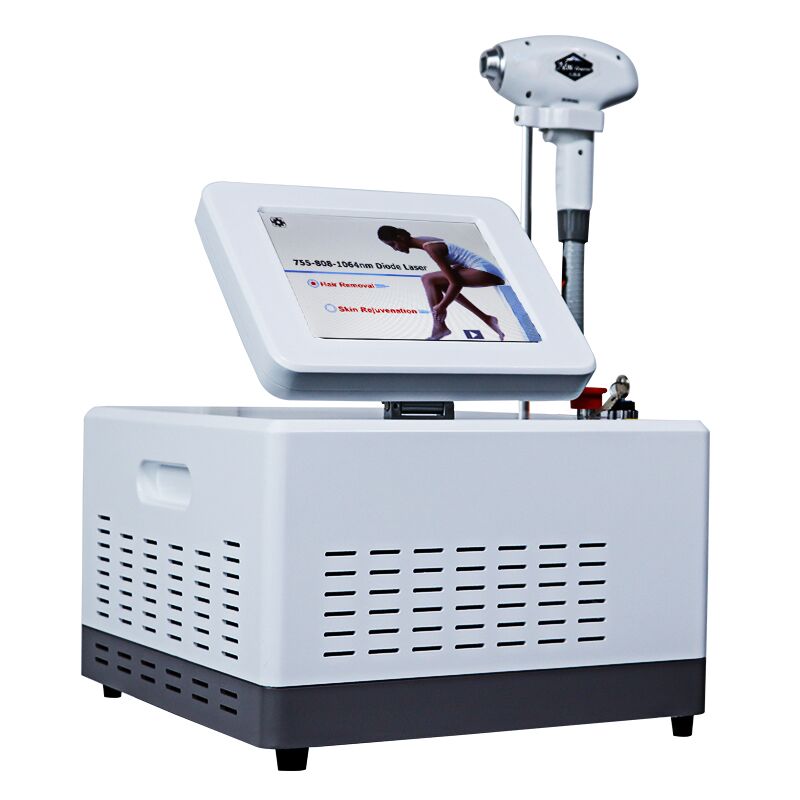
Table of Contents
- What is Laser Hair Removal?
- Types of Laser Hair Removal Machines
- Laser Hair Removal Treatment Process
- Benefits and Limitations
- Frequently Asked Questions
- Contact Information
What is Laser Hair Removal?
Laser hair removal is a cosmetic procedure designed to reduce or eliminate unwanted hair using concentrated light energy. The laser targets melanin in the hair follicle, damaging it while leaving surrounding skin unharmed. Over multiple sessions, hair regrowth is significantly slowed, and hair becomes finer and lighter.
- Effective for most body areas: legs, arms, underarms, back, and facial areas.
- Suitable for various hair types, though darker hair responds more quickly due to higher melanin content.
- Provides longer-lasting results compared to waxing or shaving.
Types of Laser Hair Removal Machines
Different laser technologies are used depending on skin tone, hair type, and treatment area. A comparison is shown below:
| Machine Type | Wavelength | Treatment Sessions | Advantages | Disadvantages | Suitable For |
|---|---|---|---|---|---|
| Diode Laser | 808nm | 3-5 | High effectiveness, minimal skin irritation | Higher cost | All skin types, especially dark skin |
| Alexandrite Laser | 755nm | 3-5 | Strong energy, large spot size, precise treatment | Moderate risk of skin irritation | Light skin, fine hair |
| Nd:YAG Laser | 1064nm | 3-5 | Deep penetration, safe for darker skin | Can be more painful | Dark skin, coarse hair |
| IPL (Intense Pulsed Light) | 430-690nm | 3-10 | Low skin irritation, multiple applications | Less effective than laser | Hair removal, skin rejuvenation, pigmentation |
Laser Hair Removal Treatment Process
The treatment process is typically divided into the following steps:
- Consultation: Assess skin type, hair color, and medical history.
- Preparation: Shave the treatment area and clean the skin.
- Treatment: Apply laser pulses to target hair follicles. Cooling systems or gels reduce discomfort.
- Post-Treatment Care: Avoid sun exposure and follow skincare instructions. Minor redness or swelling is normal.
- Follow-Up Sessions: Multiple sessions are required for optimal results due to hair growth cycles.
Benefits and Limitations
Benefits:
- Long-lasting hair reduction compared to shaving or waxing
- Minimal discomfort with modern laser technology
- Precision in targeting hair without damaging surrounding skin
- Improves skin texture and reduces ingrown hairs
Limitations:
- Multiple sessions are required
- Results vary depending on hair color and thickness
- Not suitable for all skin and hair types without proper laser selection
- Initial investment can be higher than temporary hair removal methods
Frequently Asked Questions
- How long does each session take?
- Most sessions take 15 to 60 minutes depending on the treatment area size.
- Is laser hair removal painful?
- Modern lasers use cooling systems, making the procedure comparable to a warm pinch or massage on the skin.
- How many sessions are needed for permanent results?
- Typically, 3-6 sessions spaced 4-6 weeks apart achieve significant hair reduction, with maintenance sessions as needed.
- Can laser hair removal be performed on all skin types?
- Yes, but selecting the appropriate laser wavelength is critical for safety and effectiveness.
Contact Information
For professional laser hair removal equipment, training, and technical support, Xiamen ELOS Photoelectric Technology Co., Ltd. provides reliable solutions for aesthetic centers worldwide. Enhance your business with our advanced and painless laser systems. Contact us today to learn more.