

How Does HIFU Vaginal Treatment Work for Feminine Rejuvenation and Tissue Tightening?
2026-06-24
Article Summary
HIFU (High-Intensity Focused Ultrasound) vaginal treatment is a non-invasive energy-based technology designed to stimulate collagen regeneration and improve the structural integrity of vaginal tissues. This article explains how the procedure works, who it benefits, its key mechanisms, and what patients can realistically expect before and after treatment. It also addresses common concerns such as safety, downtime, and effectiveness, helping users make informed decisions based on clinical understanding and practical outcomes.
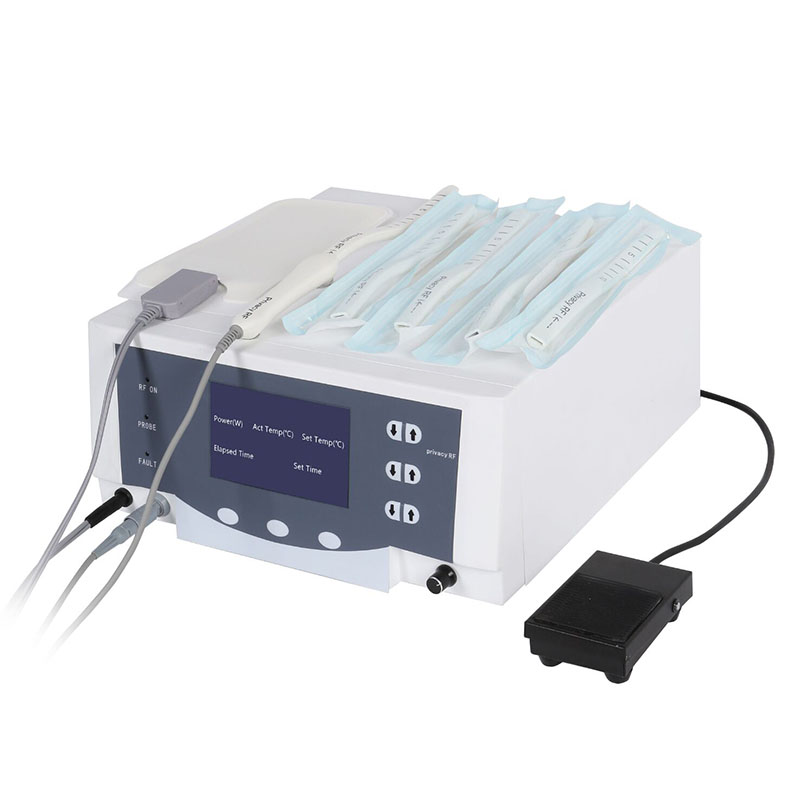
Table of Contents
- 1. Introduction to HIFU Vaginal Technology
- 2. How HIFU Works at a Cellular Level
- 3. Key Benefits of Vaginal HIFU Treatment
- 4. Who Is an Ideal Candidate?
- 5. What to Expect During the Procedure
- 6. HIFU vs Other Vaginal Rejuvenation Methods
- 7. Safety, Risks, and Recovery
- 8. Frequently Asked Questions
- 9. Conclusion and Professional Support
1. Introduction to HIFU Vaginal Technology
HIFU vaginal technology represents a modern approach to non-surgical intimate health enhancement. It uses focused ultrasound energy to penetrate deep into targeted tissue layers without damaging the surface mucosa. This controlled thermal effect initiates a regenerative response, improving elasticity, hydration, and tissue density over time.
Unlike traditional surgical interventions, HIFU does not require incisions, anesthesia, or extended recovery periods. It is increasingly used in clinical aesthetic medicine and gynecological wellness settings for women seeking non-invasive solutions for vaginal laxity and related concerns.
2. How HIFU Works at a Cellular Level
The core principle behind HIFU vaginal treatment lies in focused ultrasound energy delivery. The device emits precise acoustic waves that converge at specific depths beneath the mucosal surface. This creates microthermal coagulation zones without disrupting surrounding tissues.
- Thermal stimulation: Energy raises tissue temperature to trigger controlled micro-injury.
- Collagen contraction: Existing collagen fibers contract immediately, producing a tightening effect.
- Neocollagenesis: The body gradually produces new collagen and elastin over 8–12 weeks.
- Structural remodeling: Tissue density and elasticity improve progressively.
This regenerative cascade is what differentiates HIFU from surface-level treatments. The improvement continues for weeks after the session, as the biological repair process progresses naturally.
3. Key Benefits of Vaginal HIFU Treatment
Patients often seek HIFU vaginal treatment for functional and comfort-related improvements. While results vary depending on physiology and lifestyle, commonly reported benefits include:
- Improved vaginal tightness and support structure
- Enhanced natural lubrication and hydration
- Increased tissue elasticity and firmness
- Potential improvement in mild urinary incontinence symptoms
- Non-surgical and non-hormonal approach
- No downtime or minimal recovery period
These benefits are gradual rather than immediate in full effect, as tissue remodeling requires biological regeneration cycles.
4. Who Is an Ideal Candidate?
HIFU vaginal therapy is generally suitable for women experiencing mild to moderate vaginal laxity due to childbirth, aging, or hormonal changes. However, suitability should always be assessed by a qualified practitioner.
Ideal candidates typically include:
- Women post-childbirth experiencing reduced tightness
- Individuals noticing age-related tissue relaxation
- Patients seeking non-surgical rejuvenation options
- Those not currently pregnant or with active infections
It is not recommended for individuals with severe pelvic floor disorders or untreated gynecological conditions without prior medical evaluation.
5. What to Expect During the Procedure
A typical HIFU vaginal session is relatively straightforward and performed in a clinical environment. The procedure generally lasts between 20 to 40 minutes.
Step-by-step overview:
- Initial consultation and assessment of vaginal health
- Application of a sterile probe device
- Controlled ultrasound energy delivery to targeted layers
- Completion without need for anesthesia in most cases
Most patients report only mild warmth or pressure sensations during treatment. After the session, normal daily activities can usually be resumed immediately.
6. HIFU vs Other Vaginal Rejuvenation Methods
Understanding how HIFU compares to other approaches helps clarify its role in modern aesthetic medicine.
| Method | Invasiveness | Downtime | Primary Mechanism | Longevity of Results |
|---|---|---|---|---|
| HIFU Vaginal Treatment | Non-invasive | Minimal | Focused ultrasound collagen stimulation | 6–18 months (varies) |
| Laser Rejuvenation | Minimally invasive | Short | Thermal laser resurfacing | 6–12 months |
| Surgical Vaginal Tightening | Invasive | Weeks | Tissue excision and reconstruction | Long-term |
HIFU is often preferred for patients seeking a balance between effectiveness, comfort, and recovery time.
7. Safety, Risks, and Recovery
When performed using certified devices and trained professionals, HIFU vaginal treatment is generally considered safe. The energy is precisely controlled to avoid damage to surrounding tissues.
Common temporary effects may include:
- Mild swelling or warmth sensation
- Temporary sensitivity in treated area
- Light discharge in some cases
These effects typically resolve within a few days. Patients are usually advised to avoid sexual activity for a short period depending on practitioner recommendations.
8. Frequently Asked Questions
Q1: Is HIFU vaginal treatment painful?
Most patients report minimal discomfort, often described as mild warmth or tingling rather than pain.
Q2: How soon are results noticeable?
Some tightening may be felt immediately, but optimal results typically develop over 1–3 months.
Q3: How many sessions are needed?
Many individuals achieve desired outcomes after one session, though some may require maintenance treatments.
Q4: Is the treatment permanent?
Results are long-lasting but not permanent due to natural aging and biological processes. Maintenance sessions may be recommended.
Q5: Can it help with urinary incontinence?
It may improve mild stress urinary incontinence by strengthening supportive tissue structures, though it is not a medical cure.
9. Conclusion and Professional Support
HIFU vaginal technology offers a scientifically grounded, non-invasive approach to feminine wellness and tissue rejuvenation. By stimulating natural collagen regeneration, it helps improve structural support, elasticity, and overall comfort without surgical intervention. Its minimal downtime and gradual improvement profile make it a practical option for many patients seeking modern aesthetic solutions.
Advanced systems like those developed by ELOS demonstrate how engineered ultrasound precision can be applied to intimate healthcare with safety and consistency in mind. For clinics, distributors, or professionals seeking reliable device solutions and technical support, ELOS provides industry-grade systems and clinical guidance. contact us to explore partnership opportunities and product details.