

How Does CO2 Fractional Laser Work?
2026-05-18
Abstract: CO2 fractional laser technology is widely used in dermatology and aesthetic medicine for skin resurfacing, scar reduction, wrinkle improvement, and overall skin rejuvenation. This article explains how the system works, its clinical benefits, application scope, treatment process, safety considerations, and selection guidance. It aims to help clinics, practitioners, and end-users understand the technology clearly and make informed decisions.
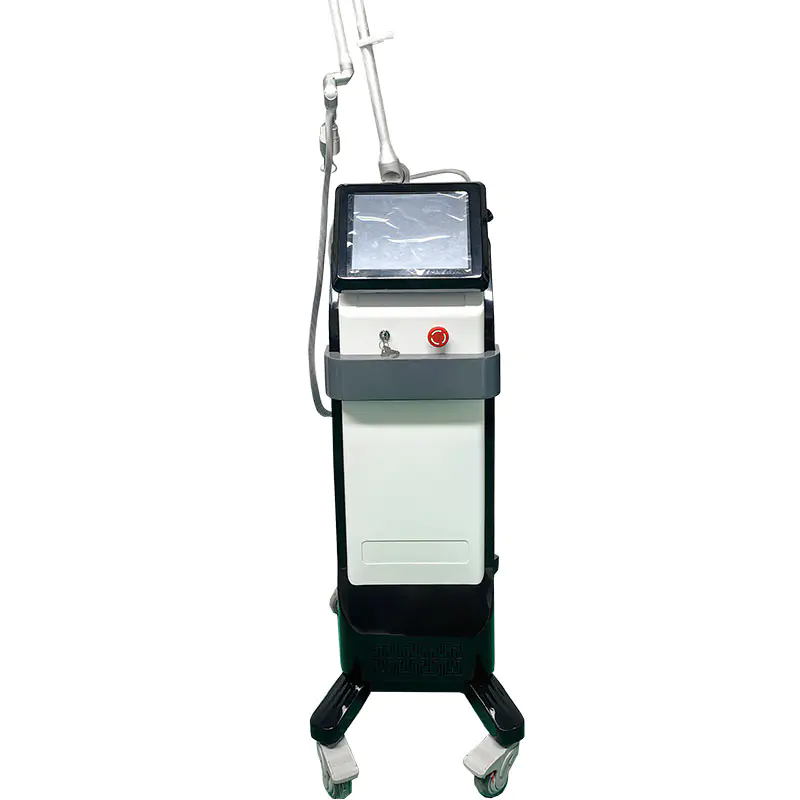
Table of Contents
- 1. Article Outline
- 2. Introduction to CO2 Fractional Laser
- 3. Working Principle
- 4. Key Benefits
- 5. Applications
- 6. Treatment Procedure
- 7. Technology Comparison Table
- 8. Safety and Recovery
- 9. How to Choose a Device
- 10. FAQ
- 11. Conclusion
Article Outline
This article systematically breaks down CO2 fractional laser technology into its core scientific principles, clinical usage scenarios, patient benefits, procedural workflow, and device selection criteria. It also includes a comparative table and FAQ section to address common user concerns in a structured and practical way.
Introduction to CO2 Fractional Laser
CO2 fractional laser is a resurfacing technology that uses a carbon dioxide laser beam (10,600 nm wavelength) to create microthermal zones on the skin. Unlike traditional ablative lasers that treat the entire surface area, fractional systems target only a fraction of the skin, leaving surrounding tissue intact for faster healing.
This balance between controlled injury and natural regeneration is what makes CO2 fractional laser one of the most effective solutions for deep wrinkles, acne scars, and skin texture improvement.
Working Principle
The core mechanism relies on controlled photothermolysis. The laser energy is absorbed by water in the skin tissue, producing heat that vaporizes microscopic columns of damaged skin. These columns are called microthermal treatment zones (MTZs).
Key process stages include:
- Energy Emission: CO2 laser emits high-energy infrared light.
- Water Absorption: Skin water absorbs energy rapidly.
- Tissue Ablation: Controlled vaporization of micro-columns.
- Collagen Remodeling: Body repairs treated zones with new collagen.
Over time, the skin becomes smoother, tighter, and more evenly toned due to continuous collagen regeneration.
Key Benefits
CO2 fractional laser systems offer multiple clinical and cosmetic advantages:
- Significant reduction of deep wrinkles and fine lines
- Improvement in acne and surgical scars
- Enhanced skin texture and tone
- Long-lasting collagen stimulation
- Controlled and customizable treatment depth
- Reduced downtime compared to full ablative lasers
These benefits make it a preferred solution in modern dermatology clinics and aesthetic centers.
Applications
CO2 fractional laser technology is widely applied across multiple dermatological and aesthetic fields:
- Facial wrinkle reduction (crow’s feet, forehead lines)
- Acne scar treatment (atrophic and hypertrophic scars)
- Skin resurfacing and rejuvenation
- Pigmentation irregularities
- Stretch mark improvement
- Skin tightening procedures
Its versatility makes it suitable for both medical dermatology and cosmetic enhancement markets.
Treatment Procedure
The standard CO2 fractional laser treatment process includes several steps:
- Consultation: Skin assessment and treatment planning
- Preparation: Cleansing and topical anesthesia application
- Laser Operation: Controlled scanning of treatment area
- Post-care: Cooling, soothing, and protective skincare
A single session typically lasts 20–60 minutes depending on treatment area size.
Technology Comparison Table
| Technology | Penetration Depth | Downtime | Best For |
|---|---|---|---|
| CO2 Fractional Laser | Deep | Moderate | Scars, wrinkles, resurfacing |
| Erbium Laser | Medium | Short | Superficial wrinkles |
| Non-ablative Laser | Shallow | Minimal | Skin tone improvement |
Safety and Recovery
CO2 fractional laser treatments are generally safe when performed by trained professionals using certified equipment. However, post-treatment care is critical for optimal results.
- Redness and swelling may occur for 2–5 days
- Sun protection is mandatory during recovery
- Moisturizing accelerates healing
- Avoid harsh skincare products temporarily
Proper aftercare ensures better collagen regeneration and minimizes complications.
How to Choose a Device
Selecting a high-quality CO2 fractional laser device is essential for clinical performance and patient safety. Clinics should evaluate:
- Laser stability and energy precision
- Adjustable pulse and scan modes
- Cooling system efficiency
- User interface and control system
- Certification and manufacturing standards
Professional manufacturers like Xiamen ELOS Photoelectric Technology Co., Ltd. provide advanced CO2 fractional laser systems designed for consistent clinical outcomes and durable operation in medical environments.
FAQ
Q1: Is CO2 fractional laser painful?
Most patients feel mild discomfort, but topical anesthesia significantly reduces pain during treatment.
Q2: How many sessions are required?
Depending on skin condition, 1–3 sessions are typically recommended for visible results.
Q3: When will results appear?
Initial improvements appear within 1–2 weeks, with continued collagen remodeling over several months.
Q4: Can all skin types use CO2 fractional laser?
It is suitable for most skin types, but darker skin tones require careful parameter adjustment.
Conclusion
CO2 fractional laser technology represents a powerful advancement in skin resurfacing and regenerative dermatology. By combining precision energy delivery with fractional treatment patterns, it achieves deep dermal remodeling while minimizing downtime.
For clinics and distributors seeking reliable, high-performance aesthetic equipment, partnering with an experienced manufacturer ensures better treatment outcomes and long-term operational stability.
Xiamen ELOS Photoelectric Technology Co., Ltd. continues to develop professional-grade CO2 fractional laser solutions that meet the evolving needs of global aesthetic markets.
Ready to upgrade your aesthetic equipment line?
Contact Xiamen ELOS Photoelectric Technology Co., Ltd. today for detailed product specifications, pricing, and technical support. Contact us to start your professional cooperation journey.