

Can Salt Scrub Be Used on Wet Skin in the Shower
2026-08-10
The short answer is yes—but the way you use it makes all the difference. While many skincare enthusiasts assume a Salt Scrub is simply a gritty paste you rub anywhere, the truth is that water temperature, skin prep, and application technique determine whether you get silky smoothness or irritated micro-tears. At Voles, we have formulated our Salt Scrub collection to perform optimally in high-humidity environments, but even the best product fails without proper usage. So, before you step into the steam, let us break down the science, the method, and the myths surrounding wet‑skin exfoliation.
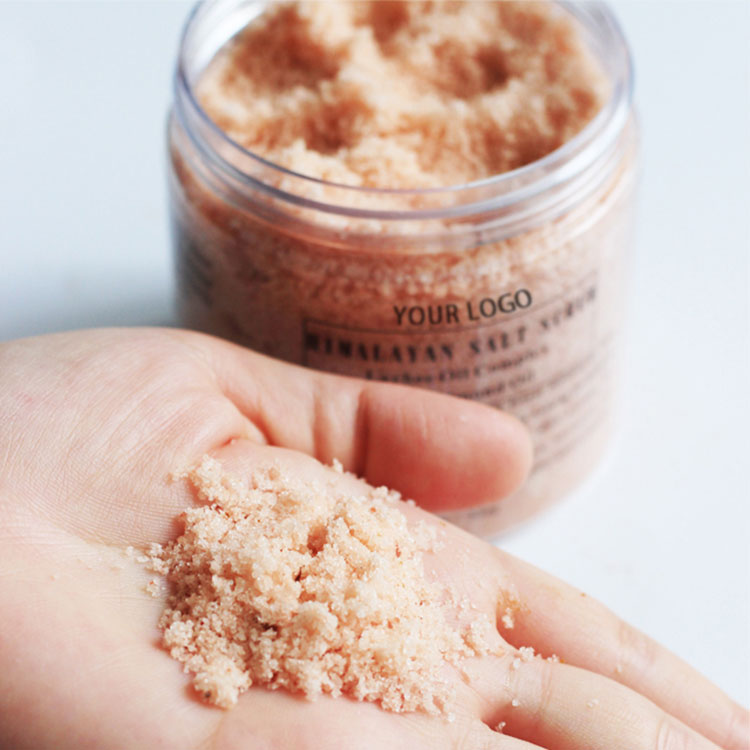
The Science: Wet Skin vs. Dry Skin Exfoliation
Using a Salt Scrub on wet skin changes three key variables: friction, dissolution rate, and particle shape. Salt is hygroscopic, meaning it draws moisture. When you apply it to wet skin, the crystals begin dissolving immediately, which reduces abrasiveness but also shortens the working time. Dry skin application offers maximum grit, while wet application offers a gentler, more spreadable experience.
| Condition | Friction Level | Dissolution Speed | Best For |
|---|---|---|---|
| Dry Skin (no water) | High | Slow (2–3 min) | Thick, calloused areas (elbows, heels) |
| Damp Skin (towel-dried) | Medium | Moderate (1–2 min) | Full-body weekly exfoliation |
| Wet Skin (direct shower) | Low | Fast (under 60 sec) | Sensitive areas or daily light polish |
Voles recommends damp, not dripping, skin for most users. This gives you enough slip to avoid pulling the skin while keeping the Salt Scrub active long enough to lift dead cells without wasting product down the drain.
Step-by-Step: How to Use a Salt Scrub in the Shower (Correctly)
| Step | Action | Why It Matters |
|---|---|---|
| 1 | Turn water to warm (not hot) | Hot water strips natural oils; warm keeps skin supple |
| 2 | Cleanse with a mild body wash first | Removes surface dirt so the Salt Scrub acts on clean skin |
| 3 | Step away from direct water stream | Prevents premature melting; apply with fingertips in circular motions |
| 4 | Focus on rough zones (knees, ankles, elbows) | Pressure here can be firmer; avoid thin areas like inner thighs |
| 5 | Rinse immediately with cool water | Closes pores and leaves a tingling, refreshed finish |
| 6 | Pat dry—never rub | Rubbing reverses exfoliation; patting preserves the smooth effect |
For optimal results, Voles advises limiting shower-based Salt Scrub sessions to 3–4 minutes total. Any longer, and the salt’s mineral content may over‑draw moisture from the skin barrier.
3 Critical FAQs About Salt Scrub Usage (Expert Answers)
Q1: Can I use a Salt Scrub on wet skin every day?
A: Not recommended. Even on wet skin, where abrasion is milder, daily mechanical exfoliation disrupts the stratum corneum (the outermost protective layer). For normal skin, 2–3 times per week is sufficient. For sensitive or eczema‑prone skin, once weekly is safer. Voles formulates with fine‑grade marine salt that dissolves faster in wet conditions, making it gentler than coarse dead‑sea varieties—but daily use still leads to redness, tightness, and increased transepidermal water loss. If you enjoy a daily ritual, alternate your Salt Scrub with a nourishing body oil on off‑days.
Q2: Does using a Salt Scrub on wet skin reduce its exfoliating effectiveness?
A: Yes and no. It reduces physical friction, but it increases chemical mineral exchange. When salt dissolves in warm shower water, it releases magnesium, potassium, and calcium ions that absorb into the skin more readily than on dry skin. This means you trade some manual “scrub” power for better mineral absorption and lymphatic stimulation. At Voles, we engineer our Salt Scrub with a dual‑action formula—larger crystals for initial breakdown, and micronized particles that activate upon contact with water. So while wet application feels milder, you are still receiving deep mineral benefits that dry application does not offer. The key is to apply and rinse within 60–90 seconds to balance both effects.
Q3: Can a Salt Scrub on wet skin help with body acne or folliculitis?
A: Absolutely—and wet application is actually preferred here. Salt has natural antibacterial and anti‑inflammatory properties. When used on wet, warm skin, pores are more open, allowing the salt’s osmotic effect to draw out impurities and reduce swelling around hair follicles. However, you must avoid scrubbing aggressively, as that can spread bacteria further. Instead, use a light, gliding motion with your Salt Scrub over affected areas (back, chest, shoulders) and let the salt sit for 30 seconds before rinsing. Voles adds a trace of salicylic acid in our clarifying blend, making it especially effective for shower‑based acne management. Rinse thoroughly with cool water to calm any post‑scrub irritation.
When to Avoid Wet‑Skin Salt Scrubbing
Despite its benefits, wet‑skin exfoliation is not for everyone. Avoid using any Salt Scrub in the shower if you have:
-
Open cuts, fresh tattoos, or sunburn
-
Active rosacea or broken capillaries
-
Recent waxing or shaving (wait 48 hours)
-
Very thin, fragile skin (elderly or corticosteroid users)
In these cases, Voles recommends a dry‑brush alternative or a cream‑based enzymatic exfoliant instead.
Final Verdict: Wet or Dry?
| Usage Scenario | Recommendation |
|---|---|
| Daily light polish | Wet skin, gentle pressure |
| Weekly deep detox | Damp skin, medium pressure |
| Rough heels/calluses | Dry skin, firm pressure |
| Sensitive or reactive skin | Wet skin, minimal contact time |
For the average user, shower‑based Salt Scrub application is not only safe but highly effective—provided you follow the water temperature, timing, and pressure guidelines above. Voles stands behind a balanced approach: exfoliate wisely, hydrate generously, and listen to your skin’s feedback after each session.
Still Unsure About Your Skin Type?
Every individual reacts differently to salt, minerals, and water hardness. That is why Voles offers a free 1‑on‑1 skin consultation with our in‑house formulators. We analyze your shower habits, climate, and current routine to recommend the exact Salt Scrub variant and frequency that fits your unique biology.
Contact us today via our website chat—we will send you a personalized usage chart within 24 hours. Your skin deserves precision, not guesswork. Let Voles help you turn every shower into a targeted treatment session.