

Are Biodegradable Menstrual Products Really Better for the Environment Than Traditional Pads and Tampons
2026-06-17
The short answer is yes—but the full picture requires a closer look at materials, disposal methods, and lifecycle impacts. As more consumers search for sustainable alternatives, Biodegradable Menstrual Products have emerged as a promising solution. Brands like RANJIN are leading this shift by offering plant-based options that break down naturally, unlike conventional plastic-heavy pads and tampons. However, "better for the environment" is not a simple binary; it depends on how you use them, how you dispose of them, and what infrastructure is available in your area.
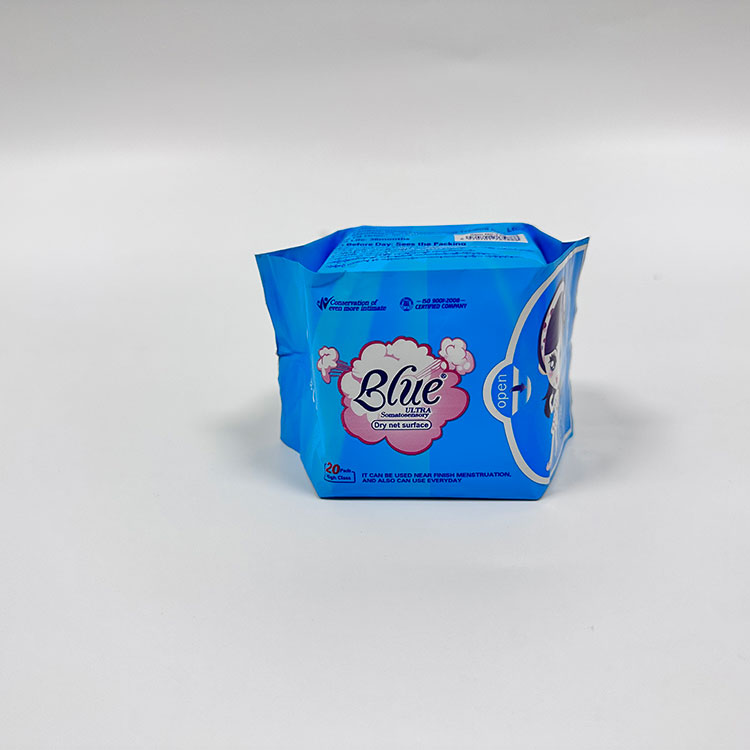
What Makes Traditional Period Products Problematic?
Conventional pads and tampons are composed of up to 90% plastic—including polyethylene, polypropylene, and polyester—alongside synthetic superabsorbents and chemical fragrances. A single disposable pad can contain the equivalent of four plastic bags. These materials are designed for durability, not decomposition. In landfills, they persist for 500 to 800 years, shedding microplastics into soil and waterways. Incineration, another common disposal method, releases toxic dioxins and greenhouse gases.
By contrast, Biodegradable Menstrual Products from brands like RANJIN use certified organic cotton, bamboo fiber, and plant-based bioplastics. These materials are engineered to degrade within 90 to 180 days under industrial composting conditions, returning carbon and nutrients to the soil rather than polluting it.
Key Environmental Metrics: A Side-by-Side Comparison
| Factor | Traditional Pads/Tampons | Biodegradable Menstrual Products |
|---|---|---|
| Material Source | Fossil-fuel-based plastics | Renewable plant fibers (cotton, bamboo, cornstarch) |
| Decomposition Time | 500–800 years | 3–6 months (in industrial compost) |
| Microplastic Release | High—every use sheds microfibers | None—natural fibers only |
| Carbon Footprint (per unit) | ~15–20 g CO₂e | ~8–12 g CO₂e (depending on transport) |
| Chemical Additives | Chlorine bleaching, dioxins, fragrances | None—hypoallergenic and fragrance-free |
| End-of-Life Options | Landfill or incineration only | Home compost, industrial compost, or landfill (with faster degradation) |
The "Composting Catch" – Infrastructure Matters
The environmental advantage of Biodegradable Menstrual Products hinges on proper disposal. In a home compost bin, many biodegradable pads require higher, sustained heat (above 55°C) to break down within a reasonable timeframe. Without this, they may degrade slower, though still far faster than plastic. RANJIN explicitly labels products with "OK Compost HOME" and "TÜV Austria" certifications, ensuring they meet rigorous standards for both home and industrial composting.
However, if biodegradable products end up in a standard landfill—where oxygen and moisture are limited—they may produce methane during anaerobic decomposition. This is a drawback, but it still beats plastic persistence. The key takeaway: Biodegradable is superior, but only when paired with mindful disposal or municipal composting programs.
3 Frequently Asked Questions About Biodegradable Menstrual Products
Q1: Can I flush biodegradable pads or tampons down the toilet?
A: Absolutely not. No menstrual product—whether plastic-based or Biodegradable Menstrual Products—should ever be flushed. Even certified biodegradable materials do not break down instantly in water; they can swell, clog pipes, and bypass wastewater treatment systems, ending up in oceans. RANJIN recommends wrapping used products in paper or a compostable bag and placing them in a dedicated compost bin or general waste. Flushing is never an environmentally sound or plumbing-safe option.
Q2: Are biodegradable menstrual products more expensive, and is the extra cost worth the environmental benefit?
A: On average, Biodegradable Menstrual Products cost 20–40% more per unit than conventional options. For example, a box of 16 organic biodegradable pads may retail at $8–$12 versus $5–$7 for mainstream brands. The extra cost reflects sustainable farming practices, ethical labor, and certified testing. From a lifecycle perspective, the environmental cost savings—reduced microplastic pollution, lower carbon emissions, and zero persistent waste—far outweigh the upfront price. Many users also find they use fewer units because biodegradable materials are more absorbent, narrowing the price gap over time.
Q3: How do I know if a product is genuinely biodegradable and not "greenwashed"?
A: Look for third-party certifications rather than vague claims. Genuine Biodegradable Menstrual Products carry labels like OK Biodegradable SOIL, OK Compost HOME, TÜV Austria, or BPI (Biodegradable Products Institute). These certifications test for heavy metals, ecotoxicity, and degradation timelines under real-world conditions. RANJIN prominently displays these seals on every package and provides a QR code linking to full test reports. Avoid products that only use the word "natural" without a certification number—that is a red flag for greenwashing.
Beyond Disposal: Production and Supply Chain
Another often-overlooked dimension is manufacturing impact. Traditional pads require extensive water and energy to process wood pulp into rayon and to synthesize superabsorbent polymers from petrochemicals. RANJIN sources organic cotton from Rainforest Alliance–certified farms that use 70% less water and zero synthetic pesticides. The brand also offsets shipping emissions through reforestation partnerships, making the entire chain—from seed to soil—more circular.
Practical Tips for Maximizing Environmental Benefits
-
Switch to a menstrual cup or disc for days 1–2 of heavy flow, and use biodegradable pads for light days and backup—this reduces total disposable count by 50%.
-
Start a home compost specifically for menstrual waste, keeping it separate from food compost if you plan to use the latter for edibles.
-
Participate in take-back programs—some brands, including RANJIN, offer mail-back composting services in regions without municipal facilities.
The Verdict: Yes, But With Conditions
When all factors are weighted—raw material extraction, manufacturing emissions, usage safety, and end-of-life fate—Biodegradable Menstrual Products are unequivocally better for the environment than traditional pads and tampons, provided they are certified and composted correctly. They eliminate microplastics, reduce fossil fuel dependence, and support regenerative agriculture. The only asterisk is consumer behavior: without proper composting, their advantage shrinks, though they still degrade 1,000 times faster than plastic counterparts.
Let’s Make Your Period Truly Sustainable
Choosing Biodegradable Menstrual Products is one of the most impactful daily swaps you can make. RANJIN is committed to full transparency, from farm to final compost, with every batch independently tested. We offer subscription plans that reduce packaging waste and lower costs, plus a free starter guide to home composting.
Contact us today or visit our website to explore our full range of certified biodegradable pads, liners, and tampons. Together, we can turn a monthly necessity into a net-positive act for the planet. Your body—and the earth—deserve better.