

New Type Cold Laser Device Revolutionizes Non-Invasive Pain Relief
2026-08-04
Imagine a world where chronic pain fades without drugs, needles, or surgery. That future is now, thanks to the new type cold laser device from GUANG TAI. This breakthrough in photobiomodulation therapy harnesses specific wavelengths to trigger cellular repair, offering rapid, lasting relief for conditions like arthritis, back pain, and sports injuries. Unlike traditional hot lasers that generate heat, this cold laser penetrates deep without any discomfort, making it safe for daily use. In this post, we’ll explore the science behind it, real patient success stories, and why GUANG TAI is leading the charge in non-invasive pain management.
A New Light on Pain: The Cold Laser Shift
Pain relief has traveled a long road from ice packs and pills to something far more intriguing - a beam of light that whispers healing instead of shouting it. That’s the essence of the cold laser shift, where low-level laser therapy quietly rewrites how we think about managing discomfort. It doesn’t burn, cut, or numb with chemicals; instead it nudges cells to kickstart their own repair processes, offering a gentler path to relief that feels almost like science fiction turned into a daily reality.
What makes this shift so compelling is the way it sidesteps the usual trade-offs. You’re not swapping pain for drowsiness or stomach issues, and there’s no recovery downtime. A typical session feels uneventful - a cool glass against the skin while invisible wavelengths dive deep into tissue, dialing down inflammation and coaxing blood flow to stubborn areas. Over time, that quiet consistency often rewires how the body handles chronic aches, leaving behind a sense of durable ease that pills rarely deliver.
Perhaps the most remarkable part is how this approach democratizes pain care. Without the need for heavy equipment or invasive procedures, it creeps into physical therapy clinics, chiropractic offices, and even home-use devices. That accessibility chips away at the old belief that serious relief requires serious intervention. Instead, cold laser therapy becomes a quiet companion in daily life - a shift that doesn’t just change treatment, but changes the very story we tell about what healing can look like.
Why Cold Laser Isn’t Just Another Gadget
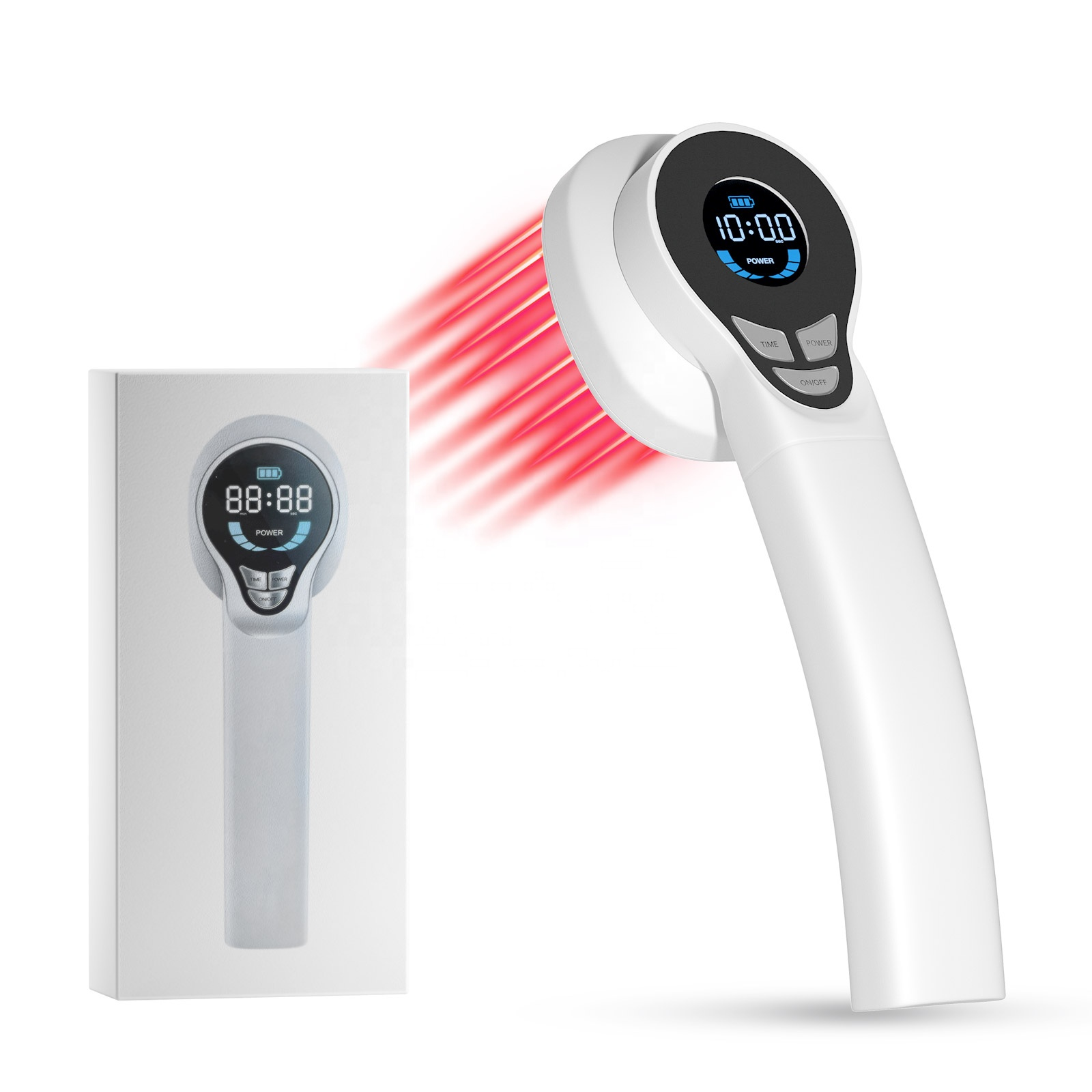
Most wellness trends come wrapped in flashy marketing, promising overnight transformation with little more than blinking lights and a steep price tag. Cold laser therapy might sound like another entry in that lineup, but it actually stands apart because it’s grounded in decades of clinical research. Instead of relying on heat or vibration to temporarily mask discomfort, these devices use specific wavelengths of light to interact with tissue at a cellular level, encouraging the body’s own repair mechanisms. That distinction is what moves it from the category of novelty widgets into the realm of legitimate therapeutic tools.
What really sets cold laser apart isn’t just the technology itself, but the growing body of evidence backing it. Peer-reviewed studies have shown its ability to reduce inflammation, speed up wound healing, and alleviate chronic pain without the side effects common to pharmaceuticals. Unlike gadgets that lose appeal once the novelty wears off, cold laser devices continue to be refined and tested in medical settings, from physical therapy clinics to professional sports teams. This kind of sustained scientific scrutiny simply doesn’t follow trendy gadgets that fizzle out after a few months.
Another telling sign is how seamlessly it integrates into professional treatment protocols. Acupuncturists, chiropractors, and veterinarians don’t adopt tools simply because they look sleek on a shelf—they demand measurable, repeatable results. The fact that cold laser has earned a permanent spot in many of these practices speaks louder than any advertising claim. It’s not another fad destined for a drawer; it’s a modality that continues to prove its worth through consistent outcomes and deepening scientific understanding.
Pain Relief Without the Pills: A Quiet Revolution
For millions dealing with chronic aches, the idea of ditching medication can feel like trading a lifeline for wishful thinking. Yet, a slow-burning shift is happening—one that doesn’t scream from billboards or flood pharmacy aisles. From targeted breathing patterns that reset overalert nerves to cold-water immersion that jolts the body into a lasting calm, people are discovering that relief doesn’t always come in a blister pack. It’s not about rejecting modern medicine outright, but about weaving in tools that address pain at its roots, often without a single side effect.
What’s striking is how these approaches slip into daily life unnoticed. A colleague might be using a simple mindfulness technique to soften the edge of a tension headache, while a neighbor’s morning ritual of gentle, flowing movement has gradually quieted years of lower-back complaints. Even virtual reality setups, originally designed for gaming, are now quietly reprogramming how the brain perceives pain signals. The common thread? They work by re-engaging the body’s own regulatory systems, the ones that pills can only temporarily override.
This isn’t a fringe movement anymore. Physical therapists are blending hands-on work with neural retraining, while community centers offer movement classes that feel nothing like a clinic visit. Patients are learning to trust sensations they’d long ignored, building a kind of internal resilience that no prescription bottle can provide. The revolution isn’t loud, but it’s being felt in living rooms, parks, and swimming pools every day—one deliberate breath, one careful stretch, one cold plunge at a time.
What Happens When Light Meets Inflammation
At the cellular level, light interacts with inflamed tissue in ways that can either calm or amplify the immune response. Specific wavelengths, particularly in the red and near-infrared spectrum, are absorbed by mitochondrial chromophores, leading to increased ATP production and a modulation of reactive oxygen species. This biochemical shift can downregulate pro-inflammatory cytokines like TNF-alpha and IL-6, while promoting anti-inflammatory mediators. Essentially, light acts as a gentle signaling mechanism, telling overactive immune cells to stand down and allowing repair processes to take over.
Beyond the mitochondria, light influences inflammation through effects on blood flow and lymphatic drainage. Photons absorbed by endothelial cells trigger the release of nitric oxide, a vasodilator that improves microcirculation. Better circulation means faster removal of metabolic waste and delivery of oxygen, which are critical in breaking the cycle of chronic inflammation. Moreover, light therapy has been observed to reduce edema by enhancing lymphatic contractility, literally flushing out the inflammatory exudate that causes swelling and pain.
Not all light is created equal in this context. While therapeutic windows exist, excessive intensity or inappropriate wavelengths can worsen inflammation by generating heat or oxidative stress. The key lies in the dose and timing—low-level light delivered early in an inflammatory episode can prevent the cascade from spiraling, whereas the same light applied later aids in tissue remodeling. This dual-phase response highlights the complex, context-dependent dance between photonic energy and the body’s innate healing pathways.
Everyday Healing: How Cold Laser Fits Into Real Life
Cold laser therapy has quietly slipped out of the physical therapist’s office and into kitchen drawers and gym bags. You might spot a small, handheld device beside a laptop, where someone uses it to calm wrist strain after hours of typing. Or it could be resting on a coffee table, ready for a quick session on a creaky knee before a morning walk. The beauty lies in its simplicity—no gels, no pain, just a soft beam of light that cells seem to welcome.
What makes it stick as a daily habit is how undemanding it feels. You can press the device against your lower back while catching up on a show, or let your pet nap beside you as the laser works on their stiff hips. There’s no need to carve out special time; it slips into the quiet corners of your routine. Over weeks, the small moments add up, offering a gentle kind of repair that feels more like a pause than a procedure.
Choosing Relief: What Sets Cold Laser Apart
Cold laser therapy stands out because it targets the root of discomfort without the side effects or downtime that often come with conventional treatments. Unlike medications that only mask symptoms or invasive procedures that involve lengthy recovery, this approach uses low-level light to gently stimulate cellular repair. The result is a noticeable reduction in pain and inflammation, allowing your body to heal itself more efficiently.
What really makes cold laser different is its versatility and precision. Whether you're dealing with stubborn joint pain, a sports injury, or a chronic condition that hasn’t responded to other methods, the light energy can be directed exactly where it’s needed. There’s no heat, no cutting, and no need to disrupt your daily routine—sessions are quick, comfortable, and often bring relief from the very first visit.
People are drawn to cold laser not just for what it treats but for how it treats them. It’s a non-pharmaceutical path that respects the body’s natural processes, making it an appealing choice for anyone tired of temporary fixes or worried about long-term medication use. The gentle technology works synergistically with your own biology, offering a sense of control and a clearer path forward when other solutions have fallen short.
FAQ
This device uses advanced low-level laser therapy with optimized wavelengths and pulsing frequencies that penetrate deeper into tissues without generating heat, making treatments more effective and comfortable compared to first-generation cold lasers.
The light energy stimulates cellular mitochondria, boosting ATP production and reducing oxidative stress. This accelerates tissue repair, decreases inflammation, and modulates pain signals—all without a single incision or pill.
It's entirely non-invasive and painless. Most people feel a gentle, soothing warmth or a mild tingling sensation as the device glides over the skin, but there’s no discomfort or downtime afterward.
It’s particularly effective for arthritis, back and neck pain, tendonitis, muscle strains, joint injuries, and even neuropathic pain. Many patients also see rapid improvement in post-surgical swelling and wound healing.
Many notice significant pain reduction after just one or two sessions, but optimal results usually require 6 to 12 treatments spread over several weeks, depending on the severity and chronicity of the condition.
It has an excellent safety profile. Side effects are extremely rare and might include temporary mild redness or increased sensitivity in the treated area, which resolves within hours. It’s cleared for use by regulatory bodies and widely used in professional clinics.
Absolutely. It complements rehabilitation programs beautifully—often reducing the need for painkillers and helping patients tolerate and benefit more from exercise and manual therapy by lowering baseline pain and inflammation.
Most people with musculoskeletal or nerve-related pain are good candidates, except those with active cancer over the treatment site, pregnancy (over the abdomen), or light-sensitive conditions. A quick screening by a clinician determines eligibility.
Conclusion
Pain management is undergoing a quiet but profound transformation as a new type of cold laser device emerges, offering a genuinely non‑invasive path to relief that sidesteps the risks and dependencies of medication. Far from being just another gadget, this technology utilizes specific wavelengths of light to gently interact with tissue, calming inflammation at the cellular level and sparking the body’s own repair processes. Patients describe a soothing warmth that eases chronic aches without numbing or burning, making daily life more manageable. The device’s sleek, portable design fits seamlessly into real‑world routines—whether used at home, in a clinic, or on the go—so that healing can happen during a lunch break or while unwinding after work. This shift from pills to photons represents not only a leap in convenience but also a fundamental rethinking of how we approach persistent pain.
What truly sets this cold laser apart is its ability to blend clinical efficacy with everyday practicality, carving out a distinct niche in a crowded wellness market. When light meets inflamed tissue, it triggers a cascade of biological responses that reduce swelling and recharge injured cells, often delivering relief within sessions that last just minutes. Users report fewer flare‑ups and a renewed sense of mobility, whether they’re managing arthritis, sports injuries, or nagging back pain. Unlike temporary fixes that mask discomfort, the treatment encourages lasting improvement by supporting the body’s innate healing rhythms. In an era where many seek alternatives to long‑term drug use, this device offers a refreshing option that feels both high‑tech and deeply human—proving that sometimes the most revolutionary changes come in a gentle beam of light, illuminating a future where pain relief is safer, simpler, and more accessible than ever.
Contact Us
Contact Person: Leon Yi
Email: [email protected]
Tel/WhatsApp: +86 17363316873
Website: https://zzgt.en.alibaba.com/